Gorilla trekking Rwanda is more than just a wildlife safari; it is a life-altering encounter with some of the most majestic creatures on Earth. Nestled in the heart of the Virunga Massif, Volcanoes National Park (Parc National des Volcans) serves as the sanctuary for these endangered mountain gorillas. This comprehensive guide provides everything you need to know about planning your journey, what to expect on the trek, and how to make the most of your Rwandan adventure.
Volcanoes National Park is the oldest national park in Africa, established in 1925 to protect the mountain gorillas from poachers. It spans approximately 160 square kilometers of rainforest and encompasses five of the eight volcanoes in the Virunga Mountains: Karisimbi, Bisoke, Muhabura, Gahinga, and Sabyinyo.
The park gained international fame through the work of Dian Fossey, an American primatologist who dedicated her life to the study and protection of mountain gorillas. Today, her legacy lives on through robust conservation efforts that have seen the gorilla population slowly but steadily increase. When you choose gorilla trekking Rwanda, you are participating in a success story of modern conservation.
Preparing for Your Gorilla Trekking Rwanda Adventure
Securing Your Permit
The first and most critical step in planning your trip is obtaining a gorilla trekking permit. Rwanda has positioned itself as a high-end, low-impact tourism destination. A single permit costs $1,500. While this price is higher than neighboring countries, the revenue is reinvested into the park’s protection and the development of local communities.
Only 96 permits are issued per day (8 people per habituated gorilla group), so it is essential to book several months in advance, especially if you plan to visit during the peak dry seasons.
Physical Fitness
Gorilla trekking Rwanda involves hiking through dense vegetation, steep slopes, and high altitudes (ranging from 2,500 to 4,500 meters). While you don’t need to be a professional athlete, a reasonable level of physical fitness is required. The treks can last anywhere from two to eight hours depending on the movement of the gorillas.
To ensure a comfortable experience, your packing list should include:
- Sturdy Hiking Boots: Waterproof boots with good ankle support are vital for navigating muddy and uneven terrain.
- Long-sleeved Shirts and Trousers: These protect you from stinging nettles, thorny branches, and insects.
- Garden Gloves: You will often need to grab onto vines or branches for support; gloves protect your hands.
- Waterproof Rain Jacket: The weather in the rainforest is unpredictable, even during the “dry” season.
- Energy Snacks and Water: To maintain your stamina throughout the hike.
What to Expect on the Day of the Trek
The Morning Briefing
Your day begins early, typically around 7:00 AM, at the Kinigi park headquarters. Here, you will be assigned to a specific gorilla family based on your fitness level. You will meet your lead ranger and receive a briefing on the “rules of the forest.”
The Journey into the Forest
Accompanied by armed rangers and professional trackers, you will head into the park. The trackers go out even earlier than the tourists to locate the gorillas’ nesting sites from the previous night and follow their trail. This ensures a 99% success rate in finding the primates.
The Encounter
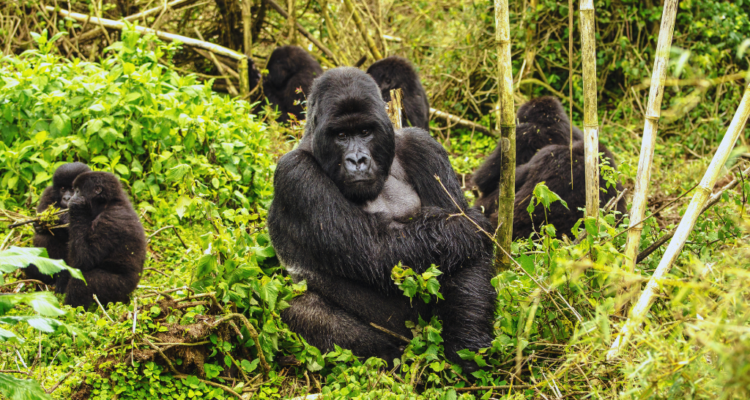
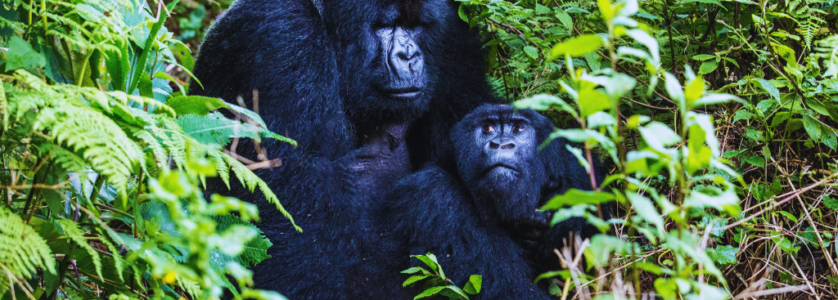
When you finally reach the gorilla family, the atmosphere changes. You will leave your walking sticks and bags behind and approach with only your camera. You are granted exactly one hour to observe these gentle giants. Watching a silverback—the patriarchal leader who can weigh up to 200kg—protecting his family, or seeing young infants play under the watchful eye of their mothers, is a scene of raw, natural beauty that words can hardly describe.
The Habituated Gorilla Families of Rwanda
There are currently 12 habituated gorilla groups available for tourism in Volcanoes National Park. Some of the most well-known include:
- Susa (Susa A): Famous for being the group studied by Dian Fossey, it is known for having twins and usually requires a more strenuous hike.
- Sabyinyo: Typically easier to reach, this group is led by a massive silverback named Guhonda.
- Amahoro: Meaning “peaceful,” this group lives on the slopes of Mt. Bisoke and is known for its calm demeanor.
- Kwitonda: A group that migrated from the Democratic Republic of Congo, often requiring a moderate to long trek.
Best Time for Gorilla Trekking Rwanda
The “best” time is subjective, but Rwanda’s climate generally offers two peak seasons:
- Dry Seasons (June to September and December to February): These are the most popular times. The trails are drier and easier to navigate, and the skies are clearer for photography.
- Rainy Seasons (March to May and October to November): While the hiking is more challenging due to mud, the park is incredibly lush and green. Furthermore, gorillas often stay on the lower slopes where food is more abundant, meaning the hike to find them might actually be shorter.
Beyond the Gorillas: Other Activities in Volcanoes National Park
While gorilla trekking Rwanda is the main draw, the park offers several other world-class activities:
- Golden Monkey Tracking: These rare, playful primates are endemic to the Virunga area and live in the bamboo forests at the base of the volcanoes.
- Dian Fossey Tomb Hike: A pilgrimage for conservation enthusiasts, this hike takes you to the Karisoke Research Center and the gravesite of Dian Fossey and her beloved gorilla, Digit.
- Mount Bisoke Crater Lake Hike: A one-day hike to the summit of Mt. Bisoke (3,711m), which features a stunning crater lake.
- Iby’iwacu Cultural Village: Located just outside the park, this community-run project allows visitors to learn about Rwandan traditions, dance, and history from former poachers who have turned into conservationists.
Why Choose Rwanda?
Rwanda has become a global leader in sustainable tourism. The “Visit Rwanda” initiative has transformed the country into a safe, clean, and incredibly welcoming destination. From the moment you land at Kigali International Airport—just a three-hour drive from the park—you will experience a level of organization and hospitality that is second to none in Africa.
By participating in gorilla trekking Rwanda, you are directly contributing to the survival of a species. The presence of tourists provides the economic justification for the protection of the forest, ensuring that these “Old Men of the Mountains” will be around for generations to come.
To book your personalized gorilla trekking Rwanda tour or a multi-day East African safari, contact the experts at Gorilla Safaris Rwanda (a division of Prime Safaris & Tours Ltd).