Contact us, your Africa safari experts, and let us plan a memorable Tanzania and Rwanda safari for you to create lasting memories!
Why Choose a Tanzania and Rwanda Safari?
Safari travelers choose a Tanzania and Rwanda combination because it lets you blend primate trekking with classic savannah game viewing in one well-paced itinerary.
- See mountain gorillas in Rwanda and chase the Big Five in Tanzania—on the same trip.
- Combine gorilla trekking in Rwanda with game drives in legendary parks like the Serengeti and Ngorongoro for a true “best of both” safari.
- Enjoy striking contrasts—rainforest, bamboo zones, crater floors, and open plains—without rushing.
- Mix styles of stay, from intimate rainforest lodges in Rwanda to atmospheric tented camps in Tanzania.
- Getting between the two is straightforward, with flights linking Kigali to northern Tanzania (via Kilimanjaro/Arusha connections).
Choose a Tanzania and Rwanda trip for the most amazing safari experiences!
Top Safari Destinations to Explore on Combined Tanzania and Rwanda Safari Tours
Volcanoes National Park, Rwanda

In Rwanda’s northwest, Volcanoes National Park protects about 160 km² of rainforest and volcanic slopes. It’s the country’s most famous safari stop for travelers building a combined Rwanda and Tanzania trip, thanks to its remarkable primates and dramatic Virunga scenery.
It’s best known for gorilla trekking in Rwanda, but there’s more here than gorillas: golden monkeys, rare birds, and the striking Virunga Volcanoes (including Karisimbi and Bisoke). Many visitors also pay their respects on the Dian Fossey trail.
Top things to do include gorilla trekking, golden monkey tracking, hikes on Mount Bisoke or Karisimbi, the Dian Fossey hike, visits to the Karisoke Research Centre, and cultural encounters with nearby communities (including Batwa experiences). If you have time, the Musanze Caves are an easy add-on.
Places to stay range from luxury lodges such as Bisate and Sabyinyo Silverback Lodge to comfortable mid-range options like Mountain Gorilla View Lodge and simple guesthouses around Kinigi.
Volcanoes is roughly a 2–3 hour drive from Kigali. Treks run year-round, but the drier months (June–October and December–March) usually mean clearer trails and easier hiking.
Akagera National Park, Rwanda
On Rwanda’s eastern edge near the Tanzania border, Akagera National Park (about 1,122 km²) is Rwanda’s classic savannah safari—rolling plains, lakes, and wetlands that feel very different from the country’s mountain forests.
Established in 1934, it’s the go-to place for Big Five sightings in Rwanda, plus relaxed boat cruises on Lake Ihema, excellent birdwatching, and scenic drives along the water.
Rwanda wildlife safaris in Akagera can bring you close to elephants, lions, hippos, giraffes, and a strong mix of birdlife—including the rare shoebill when conditions are right.
Accommodation includes lodges and tented camps inside or near the park, such as Akagera Game Lodge and Magashi Camp.
Akagera is around a 2.5-hour drive from Kigali. Many safari travelers prefer June–September, when the weather is drier and animals tend to gather around lakes and waterholes, making game drives more productive.
Nyungwe National Park, Rwanda
In Rwanda’s southwest, Nyungwe National Park covers over 1,000 km² of ancient rainforest. It’s a rewarding add-on for Tanzania–Rwanda safari holidays, especially if you love primates, birds, and cool, forested landscapes.
Nyungwe is rich in biodiversity, with chimpanzees, 13 primate species (including impressive colobus troops), and more than 300 bird species.
Popular activities include chimpanzee tracking, colobus trekking, the famous Canopy Walkway, guided hikes, and birdwatching.
You can stay in everything from high-end properties like One & Only Nyungwe House to simpler options near the forest such as Nyungwe Top View Hill Hotel and Gisakura Guesthouse.
Nyungwe is a scenic 5–6 hour drive from Kigali. The drier seasons (June–October and December–March) are often best for hiking and tracking, with more comfortable trail conditions.
Serengeti National Park, Tanzania
A UNESCO World Heritage Site, the Serengeti spans about 14,750 km² of classic savannah and is famous for both big-cat sightings and the Great Migration. It’s the headline destination for many travelers on combined Rwanda and Tanzania trips.
Visitors can expect incredible fauna encounters with lions, cheetahs, elephants, and wildebeest, among other wild animals, during safaris in Tanzania.
Safari activities include morning and afternoon game drives, hot-air balloon rides, great migration viewing, and walking safaris, among other activities.
Accommodation options range from high-end lodges to mobile tented camps such as Nomad Serengeti camp, Serengeti Kati Kati camp, etc.
You can reach the Serengeti by flying into Seronera Airstrip (or other nearby airstrips) or by road from Arusha/Kilimanjaro Airport. For many travelers, June–September is prime time for Great Migration drama in the north, while December–March is excellent for big cats and newborns in the southern Serengeti.
Lake Manyara National Park, Tanzania
Lake Manyara National Park, spanning 330 km² in northern Tanzania, is celebrated for tree-climbing lions, Lake Manyara, large elephant herds, and over 400 bird species, and is another of the worthwhile safari destinations worth adding on a combined Tanzania and Rwanda safari itinerary.
Set beneath the Rift Valley escarpment, Lake Manyara is a great “short-and-sweet” safari stop—perfect for a day trip or an easy add-on before Ngorongoro. Expect game drives, excellent birding along the lake, seasonal canoeing, and cultural visits to lively local markets.
Nearby lodges and camps suit different budgets, including Manyara Lake View Oasis and andBeyond Lake Manyara Tree Lodge.
The park is easily reached via a short drive from Arusha or Kilimanjaro Airport.
The prime time for animal viewing is June–October, when fauna is concentrated and the dry conditions make sightings more predictable.
Tarangire National Park, Tanzania
Covering 2,850 km², Tarangire National Park is famed for vast elephant herds and towering baobab trees worth seeing on combined Rwanda and Tanzania tours.
Its diverse landscapes attract buffalo, zebras, lions, and hundreds of bird species seen during these safaris in Tanzania.
In Tarangire, you can enjoy classic guided game drives, and in some areas, walking safaris and photography-focused outings—ideal if you want elephants, baobabs, and fewer vehicles than the Serengeti.
Lodging ranges from luxury safari lodges to midrange tented camps like the Tarangire Sopa Lodges, Tarangire Treetops, etc.
Located about two hours from Arusha, it’s best visited from June to October when fauna gathers along the Tarangire River, making game spotting activities exceptional.
Ngorongoro Conservation Area & Ngorongoro Crater, Tanzania
The Ngorongoro Conservation Area—a UNESCO-listed landscape of highlands, plains, and wildlife corridors—includes the world-famous Ngorongoro Crater, the largest intact volcanic caldera on Earth. It’s a must for most travelers on a combined Rwanda–Tanzania tour.
Down on the crater floor, wildlife viewing is superb for such a small area—you can look out for rhino, elephants, lions, hippos, and flocks of flamingos around the lakes.
Most itineraries focus on a crater-floor game drive, but you can also add a Maasai cultural visit, stop at Olduvai Gorge, or take a gentle hike along the rim for big views.
Where you stay depends on your style—some travelers splurge on iconic crater-rim lodges like Ngorongoro Crater Lodge or The Highlands, while others choose simpler camps and lodges just outside the conservation area.
Ngorongoro is about 3–4 hours by road from Arusha (or you can connect via Kilimanjaro Airport). The dry season (June–October) usually offers clearer views and easier game spotting.
Other Safari Stops to Add to a Rwanda–Tanzania Itinerary
More Places to Visit in Rwanda
- Gishwati–Mukura National Park—a newer, quieter forest park where you can track chimpanzees, spot golden monkeys, and enjoy excellent birding.
- Lake Kivu—perfect for slowing down between parks, with boat rides, kayaking, and relaxed lakeside stays.
- Gishwati Forest—a lush pocket of rainforest known for primates, butterflies, and guided nature walks.
- Rugezi Marsh—a peaceful Ramsar wetland and a favorite for birdwatchers.
- Kigali City—great for culture and history (including the Kigali Genocide Memorial), plus markets, cafés, and a stop at Hôtel des Mille Collines.
More Places to Visit in Tanzania
- Arusha National Park—a compact park near town with Mount Meru views, forests, lakes, and a surprising variety of wildlife.
- Nyerere National Park (Selous)—best known for river-based safaris, big landscapes, and strong wildlife numbers.
- Ruaha National Park—wild, rugged, and far from the crowds, with excellent predator sightings.
- Mikumi National Park—an easy-to-reach safari stop with open plains and reliable game viewing.
- Katavi National Park—for true off-the-beaten-path wilderness, especially in the dry season when hippos and crocodiles crowd the rivers.
- Mahale Mountains National Park—remote shores of Lake Tanganyika, wild chimpanzees, and beautiful beaches.
- Gombe Stream National Park—famous for Jane Goodall’s work and close-up chimp tracking in the forest.
- Zanzibar—a perfect finish to your safari with Indian Ocean beaches, spice tours, and Stone Town.
If you have a few extra days, adding one or two of these stops can make your Rwanda–Tanzania safari feel even richer and more relaxed.
Most Sought-After Tanzania and Rwanda Safari Experiences
1) Gorilla Trekking in Rwanda
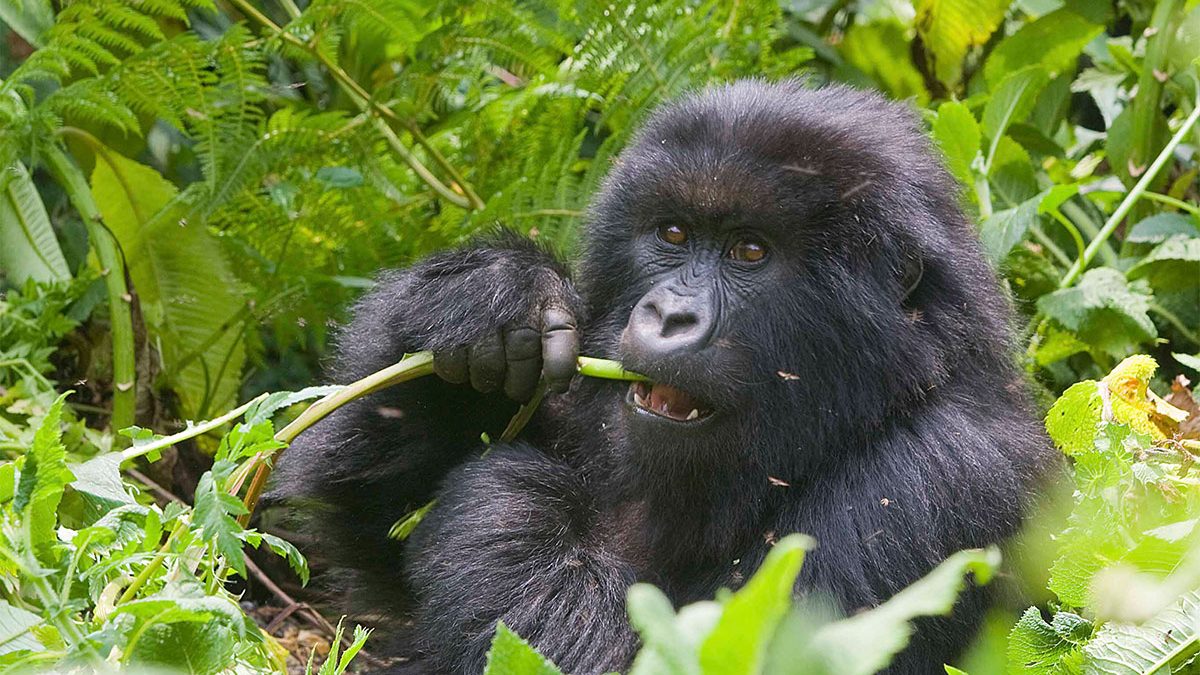
Gorilla trekking in Rwanda is the emotional high point of many combined safaris. Most treks begin at the Volcanoes National Park headquarters with a short briefing around 7:00 am, then you head into the forest with experienced local guides and rangers.
The walk can take you through bamboo and thick undergrowth, following signs left by a habituated gorilla family. When you finally find them, the hour you spend nearby is quiet, powerful, and surprisingly intimate—watching young ones play, adults feed, and the group move through the greenery.
To join a trek, you’ll need a valid Rwanda gorilla permit issued by the Rwanda Development Board (most travelers arrange this in advance through their operator).
Permit fees are USD 1,500 for foreign non-residents, USD 500 for foreign residents, and USD 200 for East African citizens per person per trek.
Trek times vary—sometimes it’s just a short walk, and other days it can take up to 6 hours, depending on where the gorilla family is feeding. Once you reach them, you get one hour to observe their behavior up close, in a way that’s both respectful and unforgettable.
Your permit also supports conservation: about 75% of the revenue goes back into park protection and community projects, helping keep gorilla habitat safe and creating local livelihoods.
Mountain gorilla sightings are almost guaranteed year-round, thanks to effective management, with a 99% success rate for gorilla trekking adventures.
2) Nyungwe Canopy Walkway in Rwanda
The Nyungwe Canopy Walkway offers a thrilling 90-meter suspension bridge high above the rainforest floor.
Up on the walkway, you get sweeping views across Nyungwe’s treetops—and with a bit of luck, you’ll spot monkeys moving through the canopy and birds flashing between branches.
It’s an easy, memorable add-on to your Rwanda & Tanzania tour, especially if you enjoy forest scenery and birdlife.
3) Great Migration Viewing in Tanzania
From June to September, the Great Migration is often at its most dramatic in the northern Serengeti, when huge herds of wildebeest, zebras, and gazelles move toward (and sometimes across) the crocodile-filled Mara River.
Seeing the migration in person is a true bucket-list moment—especially for photographers and anyone who has dreamed of the Serengeti since childhood.
A knowledgeable Tanzanian safari guide makes all the difference—reading the landscape, tracking movement, and positioning you well for crossings and big predator action.
4) Safari Game Drives in Tanzania
Safari game drives in Tanzania—usually in a 4×4 with a pop-up roof—deliver the classic scenes most safari travelers dream about: sunrise over the plains, fresh tracks on the road, and wildlife appearing when you least expect it.
In the Serengeti, it’s all about scale—endless grassland, big cats, and migration herds. In Tarangire, the mood shifts to baobab country, where elephant families often gather along the river.
Using custom 4×4 safari vehicles with pop-up roofs, expert driver-guides lead morning, afternoon, and full-day excursions, maximizing your chances of spotting Africa’s amazing wild fauna.
No two drives feel the same—you might watch giraffes browsing quietly one moment, then spot a leopard draped over an acacia branch the next.
Do not leave out any of these fascinating Tanzania & Rwanda safari experiences on your itinerary if you want to experience the best safari!
World-Class Safari Lodges and Hotels to Stay at During Combined Tanzania and Rwanda Trips
1) Bisate Lodge (Rwanda)
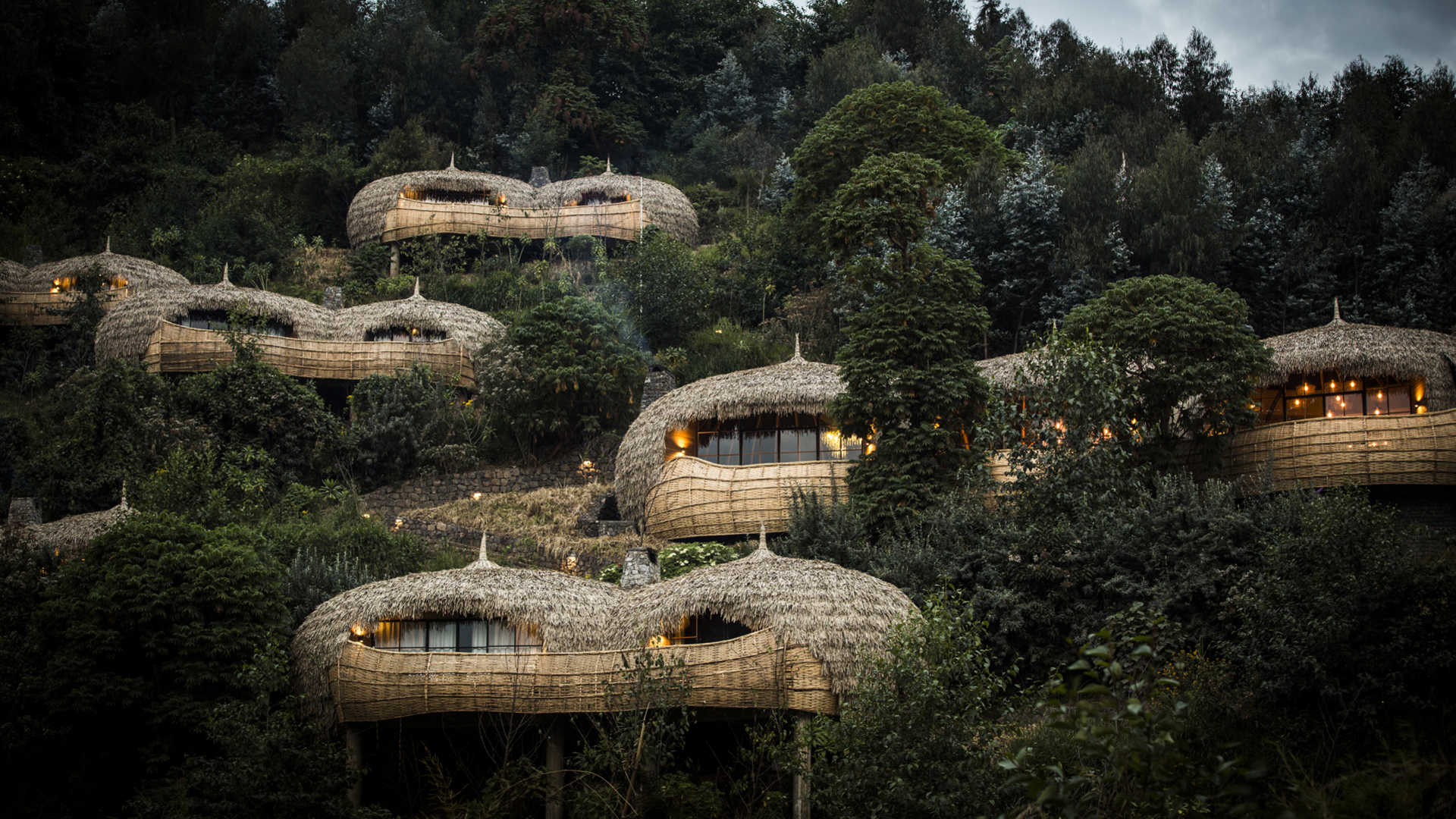
Bisate Lodge blends luxury with eco-conscious design, nestled in the lush foothills near Volcanoes National Park. Guests enjoy stunning views of the Bisoke and Karisimbi volcanoes, private forest villas, and fine dining (lunch, breakfast, and dinner).
Its location offers easy access to gorilla trekking adventures, making it ideal for travelers seeking both comfort and outstanding fauna experiences in Rwanda. The cost per night is USD 1,500 per person (full board), and guests are welcomed with fresh juice and a warm towel upon arrival.
2) Mountain Gorilla View Lodge (Rwanda)
Situated just minutes from Volcanoes National Park headquarters, Mountain Gorilla View Lodge offers spacious cottages with fireplaces and views of the Virunga volcanoes as well as hearty meals (lunch, breakfast, and dinner).
It’s a popular base for gorilla trekking in Rwanda, golden monkey tracking, and cultural visits. You’ll find it comfortable, friendly, and wonderfully close to the action—ideal if you want an early start on trekking day. The cost per night is approximately USD 250 per person (full board), and guests are welcomed with a complimentary drink on arrival.
3) Hôtel des Mille Collines (Rwanda)
A well-known Kigali landmark, Hôtel des Mille Collines offers comfortable, elegant rooms, a relaxing pool area, and a restaurant serving breakfast, lunch, and dinner—plus lovely views over the city.
With its important place in Rwanda’s history, the hotel combines that legacy with modern comforts. It’s also conveniently located for Kigali International Airport, the Genocide Memorial, and city tours before or after your Rwanda & Tanzania holiday. The cost per night is USD 180 per person (bed and breakfast), and guests receive a complimentary fruit basket in their room on arrival.
4) The Retreat (Rwanda)
The Retreat is a stylish boutique hotel in Kigali with thoughtful Rwandan design touches. It’s a great place to reset—think spa time, a saltwater pool, and excellent meals throughout the day.
Because it’s calm and central, it works well either after gorilla trekking or before you continue to Tanzania. Transfers to Kigali Airport are easy. Bed-and-breakfast rates start at USD 450 per person, and guests are welcomed with fresh juice and a complimentary spa foot soak.
5) The Bishop’s House (Rwanda)
Just outside Musanze, close to Volcanoes National Park, The Bishop’s House has an elegant, old-world feel, set in green gardens with attentive, personal service.
It’s especially good for couples and small groups coming for gorilla trekking and cultural experiences, or anyone spending a few nights in the north as part of a longer Rwanda & Tanzania itinerary. The cost per night starts from USD 350 per person (full board), and you’re welcomed with a drink and hot towel service on arrival.
6) Nomad Serengeti Camp (Tanzania)
Nomad Serengeti Camp is a classic mobile camp that shifts location with the migration, following the best wildlife areas across the Serengeti plains. You stay in comfortable, well-set-up tents with proper beds, en-suite bathrooms, and memorable dinners under the stars.
Because it moves with the herds, you’re often right where the action is—think wildebeest crossings and predator sightings at the right time of year. The cost per night is USD 900 per person (full board, including game drives), and guests are welcomed with a drink and a cool towel.
7) Serengeti Kati Kati Tented Camp (Tanzania)
Set right inside Serengeti National Park, Serengeti Kati Kati Tented Camp puts you close to prime game-drive areas, so you spend more time out on safari and less time commuting. Guests enjoy cozy tents, hearty meals (lunch, breakfast, and dinner), and proximity to prime game drive areas.
The cost per night is from USD 350 per individual (full board, including game drives), and on arrival, guests are given a warm welcome drink.
It’s a solid pick if you want a comfortable, good-value base inside the park with excellent chances of wildlife sightings on a safari in Tanzania.
8) Four Points by Sheraton Arusha (Tanzania)
In the safari gateway city of Arusha, this hotel is a comfortable, modern stopover with stylish rooms, a pool to unwind by, and a restaurant serving international favorites throughout the day.
It’s a handy base before you head out to Tarangire, Ngorongoro, or the Serengeti—especially if you’re stitching together a longer Tanzania and Rwanda safari itinerary.
9) Plantation Lodge (Tanzania)
Near the Ngorongoro Conservation Area, Plantation Lodge feels like a peaceful retreat—comfortable rooms set among gardens and coffee plantations.
After early starts and dusty game drives, it’s a lovely place to come back to for good food, a swim, and some downtime—while staying close enough for an unforgettable day in the Ngorongoro Crater.
Book any of these safari lodges and hotels in advance for comfortable stays during your Rwanda & Tanzania trip!
Important Information for Traveling Between Rwanda and Tanzania During Combined Safaris
- The easiest link is flying between Kigali and Kilimanjaro/Arusha (often with a connection).
- Overland travel is possible, but most safari travelers prefer flights to save time.
- Pack for two climates: Rwanda’s highlands can be cool and wet, while Tanzania’s parks are warmer and drier.
- Gorilla permits can sell out—book early through the Rwanda Development Board or a trusted operator.
- Bring the right gear for both: sturdy hiking layers for rainforest treks and light neutrals for game drives.
Safari Prices To Incur on Combined Tanzania and Rwanda Tours
- Gorilla trekking permit: USD 1,500 (foreign non-residents), USD 500 (foreign residents), and USD 200 (East African citizens) per person per trek.
- Tanzania park entry fees: USD 60–80 per person per day.
- Accommodation: USD 300–1,000 per person per night (luxury); USD 100–300 (mid-range); USD 50–100 (budget).
- Flights between Rwanda plus Tanzania: USD 250–450 per person using airlines like Kenya Airways, Rwandair, Uganda Airlines, and Airlink.
- Total cost for a 12–14-day tour: typically USD 6,000–10,000 per person sharing.
Liaise with a reputable safari company for the most accurate quotes and safari deals!
Essential Tips to Consider When Planning a Rwanda & Tanzania Tour
- Lock in the big items early—especially gorilla permits and peak migration dates.
- For easier driving and better visibility, aim for the drier months whenever you can.
- Pack breathable clothes, but don’t skip warm layers—early mornings in Rwanda and Ngorongoro can be chilly.
- Hire an experienced driver guide for smooth logistics.
- Combine cultural visits—such as local market tours—with wildlife safaris.
- Carry cash for tips, souvenirs, and incidental expenses like telephone calls.
What To Wear for Combined Tanzania and Rwanda Trips?
- Waterproof Safari attire (khaki, beige, green) for rain showers too
- Long-sleeved shirts and pants
- Comfortable walking shoes/Sturdy hiking boots for gorilla trekking
- Waterproof jacket or poncho
- Warm layers (fleece, jacket) for cooler mornings and evenings
- Hat, sunglasses, and sunscreen
- Neutral-colored clothing for blending in with surroundings
What to Pack for a Safari in Tanzania and Rwanda?
- Binoculars for big game spotting
- Camera, charger, and Memory cards for the camera
- Water bottle or hydration pack plus Water purification tablets or filter if necessary
- Sunscreen and insect repellent
- First-aid kit
- Travel Adapter/Power bank for charging devices
- Passport and travel documents (Yellow fever certificate, Gorilla trekking permits)
- Medications and prescriptions (Malaria prophylaxis)
- Toiletries (toothbrush, toothpaste, Moist towelettes or baby wipes, etc.)
- Reusable bag or backpack
- Snacks (energy bars, nuts, packed lunch)
Top-Rated Safari Companies Offering Amazing Tanzania and Rwanda Safari Tours
The Best Rwanda and Tanzania Tour Packages Offered
1) 12-Day Tanzania and Rwanda Group Tours: This includes mobile camping in permanent tented camps in Tanzania’s northern circuit, plus gorilla trekking in Rwanda, as well as a mix of game viewing activities, cultural experiences, and an overnight stay in Kigali.
2) 14-Day Rwanda and Tanzania Tours: This entails staying in luxury lodges and tented camps and taking part in gorilla trekking in Volcanoes NP, chimpanzee tracking in Nyungwe, the Great Migration viewing in Serengeti, and Big Five safaris across multiple parks.
3) 18-Day Uganda, Rwanda, and Tanzania Tour – Golden Monkey, Chimps & Gorilla Trekking, Wildlife Viewing Tour: This is an extended East Africa journey with golden monkeys, chimpanzees in Nyungwe Forest, and game drives in Tanzania’s top reserves.
Rwanda And Tanzania Safari FAQs
Is Safari Better in Tanzania or Kenya?
Both are fantastic—Kenya can be a little easier on the budget and very straightforward to plan, while Tanzania often feels wilder and more expansive, with huge landscapes and standout migration viewing in the Serengeti. The “better” choice really comes down to your budget, how remote you want to go, and what you most want to see.
Does Rwanda Have Good Safaris?
Yes—Rwanda is excellent for safari-style travel, especially if you want something different from the classic savannah circuit. You can trek gorillas in Volcanoes, look for Big Five in Akagera, and enjoy strong guiding and well-run tourism. It also fits beautifully into a combined itinerary with Tanzania.
What Is the Best Month to Travel to Rwanda?
Most travelers prefer Rwanda’s drier seasons—roughly June–September and mid-December–early February—because trails are easier for gorilla trekking and skies are often clearer. That said, the greener months can be beautiful too, with fewer visitors, great birding, and strong chimp tracking in Nyungwe.
How Safe Is Gorilla Trekking in Rwanda?
Gorilla trekking in Rwanda is generally very safe when you follow the ranger instructions. Treks are led by trained guides and armed rangers, the gorilla families are habituated, and you’ll get a clear pre-trek briefing on rules and distance. Health checks and conservation guidelines also help protect both visitors and gorillas.
Contact us to plan your combined Rwanda and Tanzania safari—bringing together gorilla trekking, classic game drives, and the kind of moments you’ll talk about for years.