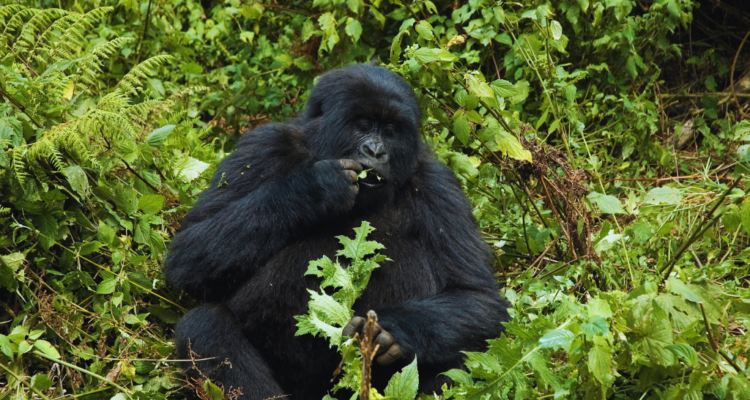
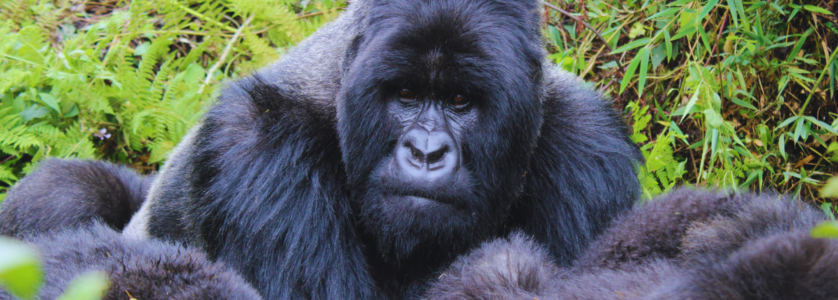
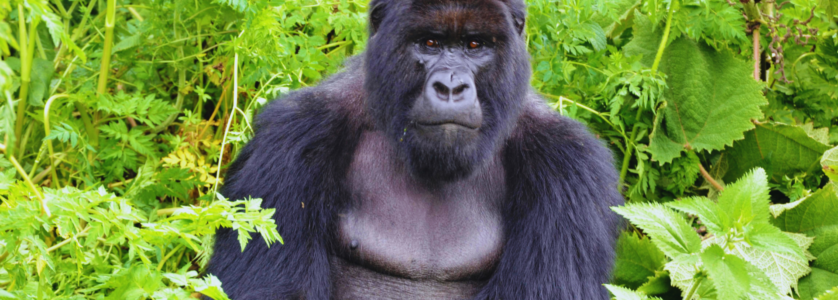
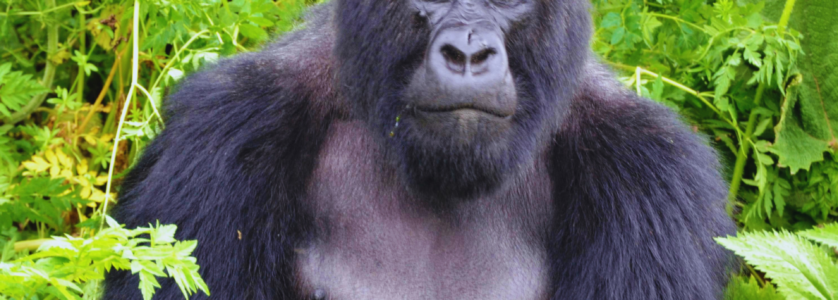
Embarking on gorilla safaris Rwanda is widely considered one of the most rewarding wildlife experiences on the planet. However, unlike a traditional vehicle-based safari, meeting mountain gorillas requires you to step out of the Land Cruiser and into the dense, high-altitude rainforests of the Virunga Mountains. While the experience is accessible to most people, being physically prepared is the key to ensuring you spend your “magical hour” focusing on the gorillas rather than your aching muscles.
This guide provides a comprehensive breakdown of the physical demands of gorilla safaris Rwanda and a step-by-step preparation plan to get you trail-ready.
Understanding the Terrain and Conditions
Volcanoes National Park, the home of gorilla safaris Rwanda, is characterized by its dramatic volcanic peaks and lush, tangled vegetation. To prepare effectively, you first need to understand the environment you will be entering.
1. High Altitude Challenges
The park sits at an elevation ranging from 2,400 to 4,500 meters ($7,800$ to $14,700$ feet). Even if you are incredibly fit at sea level, the “thin” air at these heights means there is less oxygen available for your muscles. You may find yourself getting out of breath much faster than usual, and your heart rate will climb more quickly during steep sections.
2. Steep and Uneven Ground
There are no paved paths in the gorilla habitat. The terrain consists of:
- Volcanic Slopes: Constant inclines and declines that test your calf and quad strength.
- Slippery Mud: Even in the dry season, the forest floor is often damp and slick.
- Obstacles: You will be stepping over massive tree roots, navigating around fallen logs, and pushing through thick bamboo thickets.
3. Unpredictable Duration
A trek can last anywhere from 2 to 8 hours. Because gorillas move daily in search of food, rangers cannot guarantee exactly how long you will be hiking. Preparation must, therefore, focus on endurance rather than just short bursts of energy.
The 8-Week preparation Plan for Gorilla Safaris Rwanda
If you have booked your gorilla safaris Rwanda, it is recommended to start a targeted fitness routine at least two months before your departure.
Phase 1: Cardiovascular Endurance (Weeks 1–4)
Focus on building your aerobic base. Activities like swimming, cycling, or brisk walking are excellent. Aim for 30–45 minutes, three times a week.
- Incline Training: If using a treadmill, set it to a 5–10% incline to simulate the mountain slopes.
Phase 2: Strength and Stability (Weeks 5–6)
Building leg strength and core stability will help you navigate the uneven forest floor without losing your balance.
- Squats and Lunges: These target the exact muscles needed for climbing.
- Step-Ups: Using a bench or a flight of stairs, perform weighted step-ups to mimic the high-stepping required in the jungle.
- Core Work: Planks and Russian twists will help you maintain stability when the ground is slippery.
Phase 3: “Real World” Simulation (Weeks 7–8)
The best way to prepare for a hike is to hike.
- Break in Your Boots: Never wear brand-new boots on a trek. Use these last two weeks to walk in your hiking boots to prevent blisters.
- Pack Training: Wear a small backpack (5–7kg) while walking to get used to the weight of your water, snacks, and camera gear.
Essential Gear for the Physical Trek
Your physical comfort is largely determined by what you wear. For successful gorilla safaris Rwanda, pack the following:
| Item | Why You Need It |
| Waterproof Hiking Boots | Must have deep treads for grip and ankle support for uneven roots. |
| Gardening Gloves | Essential for grabbing onto branches or vines for balance without getting stung by nettles. |
| Gaiters | These prevent mud, water, and stinging ants from entering your boots. |
| Long-Sleeved Layers | Protects your skin from the “stinging nettles” (Urtica) common in the park. |
| Lightweight Rain Jacket | It can rain at any moment in the rainforest, regardless of the season. |
Pro-Tips for the Day of the Trek
Hire a Porter
One of the best ways to manage the physical demand is to hire a porter at the park headquarters (usually around $20). Not only does this support the local economy, but the porter will carry your bag and, more importantly, offer a steady hand during steep or slippery sections. Many porters are former poachers who now rely on conservation for their livelihood.
Stay Hydrated
Dehydration happens faster at high altitudes. Carry at least 2–3 liters of water. Take small, frequent sips rather than large gulps to maintain consistent hydration levels.
Communicate with Your Ranger
During the morning briefing, the rangers will ask about your fitness level. Be honest. They use this information to assign you to a gorilla family that is “near,” “medium,” or “far” from the trailhead. If you have any physical concerns, the “near” groups are usually found within an hour of walking.
Why Choose Gorilla Safaris Rwanda?
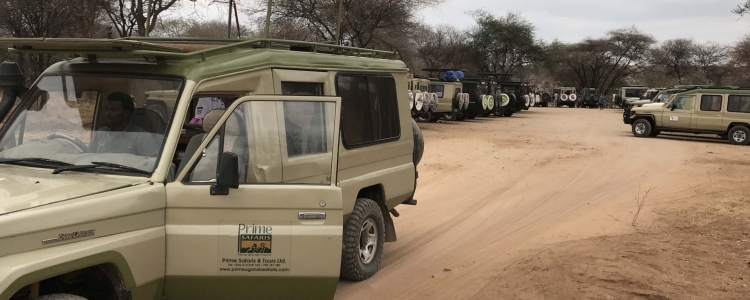
Navigating the physical and logistical requirements of a trek is much easier with an experienced partner. Gorilla Safaris Rwanda (Prime Safaris & Tours Ltd) has over 13 years of experience in managing treks for travelers of all fitness levels. From arranging sedan chairs for those with limited mobility to providing expert guides who set a manageable pace, they ensure that everyone has a chance to see the gorillas.
Contact Details: Gorilla Safaris Rwanda