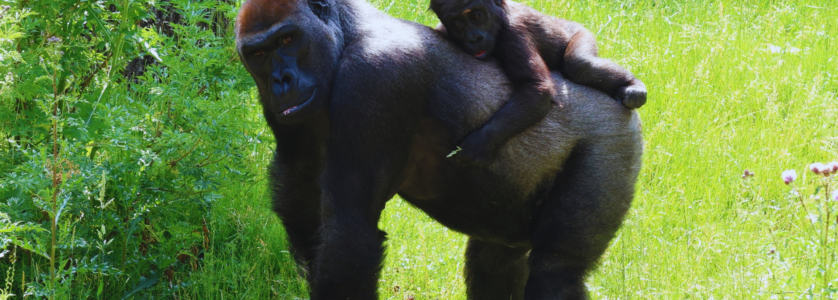
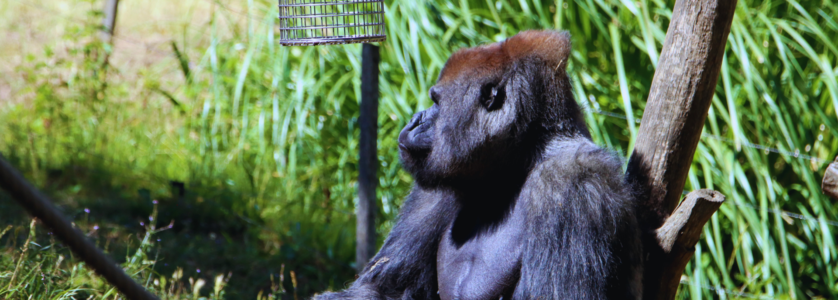
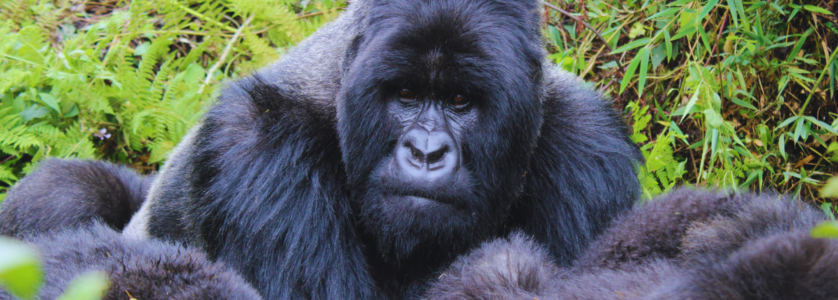
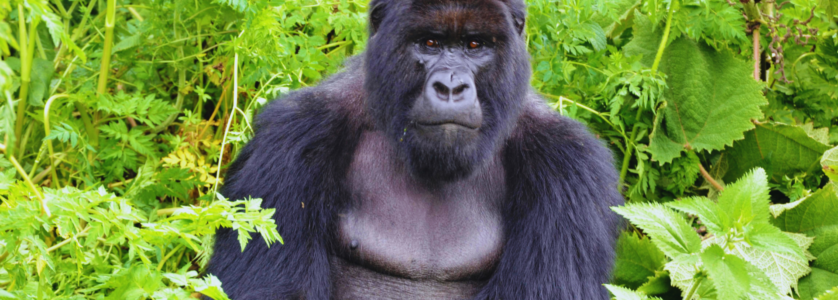
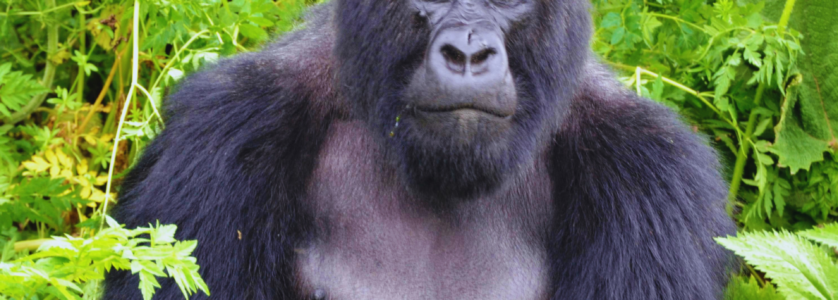
Rwanda gorilla trekking tours in 2026 offer an intimate, strictly regulated, one-hour encounter with habituated mountain gorillas in Volcanoes National Park. Travelers should expect a physically demanding morning hike through dense, muddy rainforests, led by expert rangers who boast a nearly perfect success rate in locating the primate troops.
As we move deeper into 2026, the landscape of eco-tourism continues to evolve, but the profound impact of sitting mere feet from a silverback remains unmatched. Planning a safari in Rwanda requires precision, especially regarding permits and physical preparation. Let’s dive into exactly what the on-the-ground reality looks like this year.
Why Gorilla Trekking in Rwanda is the Ultimate 2026 Adventure
Rwanda has positioned itself as the premier destination for primate conservation and luxury eco-tourism. Unlike other regional options, gorilla safaris Rwanda focus on high-value, low-impact tourism. This ensures the environment is protected while maximizing community benefits and visitor safety.
According to recent conservation data, the mountain gorilla population in the Virunga Massif continues to grow, thanks directly to funds from Rwanda gorilla tours. This means your investment not only buys an unforgettable experience but actively funds ongoing species protection.
The Reality on the Ground: A Strategist’s Field Note
After 15 years of curating African wildlife experiences, my recent scouting trip to Volcanoes National Park highlighted a significant shift in Rwanda tours. Last month, I accompanied a group of clients tracking the Amahoro family. I observed firsthand how the newly upgraded trekking trails and advanced communication among rangers dramatically reduced our search time.
Despite the rain, the porters—many of whom are reformed poachers now employed by the park—navigated the steep bamboo forests with incredible care for our guests. This direct community integration is what makes a Rwanda safari feel so authentically grounded. It is a masterclass in regenerative travel.
Preparing for Your Rwanda Gorilla Tours: Step-by-Step
Success on gorilla trekking rwanda hinges entirely on your preparation. The altitude, humidity, and terrain are unforgiving if you arrive without the right gear or expectations. Follow this exact process to ensure a seamless trek:
- Secure Permits Early: Obtain your $1,500 tracking permit at least 6 to 9 months in advance through the Rwanda Development Board or a licensed operator.
- Hire a Local Porter: Always hire a porter at the trailhead ($20-$30) to carry your daypack and assist you on slippery inclines.
- Pack Strategically: Wear thick gardening gloves for grabbing nettles, waterproof hiking boots, and moisture-wicking layers.
- Follow the Distance Rule: Maintain a strict 7-meter (23-foot) distance from the gorillas at all times, wearing surgical masks to prevent disease transmission.
Rwanda Safaris & Tours: Comparing Your Trekking Options
When building an itinerary for gorilla trekking in Rwanda, travelers often weigh the differences between standard treks and exclusive experiences. Below is a breakdown of what you can expect when booking different tiers of gorilla encounters in 2026.
| Tour Experience | Cost (Permit Only) | Duration with Gorillas | Best Suited For |
| Standard Gorilla Trek | $1,500 USD | 1 Hour | First-time visitors and traditional safari-goers. |
| Exclusive Trek (Private Group) | $15,000 USD | 1 Hour | Families, VIPs, or photographers wanting private access. |
| Behind-the-Scenes Tour | $30,000 USD (minimum) | Multi-day | Serious conservationists and philanthropists. |
Beyond the Primates: Enhancing Your Safari in Rwanda
While the gorillas are the primary draw, comprehensive Rwanda safaris & tours should encompass the country’s diverse biomes. The nation has successfully introduced the “Big Five” back into Akagera National Park. This makes Rwanda a standalone destination rather than just an add-on.
Consider pairing your primate experience with chimpanzee tracking in Nyungwe Forest National Park. Alternatively, you can spend a few days relaxing on the shores of Lake Kivu to recover from your trek. Expanding your itinerary guarantees a much richer understanding of this resilient and beautiful country.
Frequently Asked Questions
How difficult is gorilla trekking in Rwanda?
The difficulty varies greatly depending on the gorilla family you are assigned and their location that day. Treks can last anywhere from 30 minutes to 6 hours through steep, muddy, and thick vegetation at high altitudes. A moderate level of physical fitness is highly recommended.
Are children allowed on Rwanda gorilla tours?
No, visitors must be at least 15 years old to obtain a gorilla trekking permit in Rwanda. This age restriction is strictly enforced for safety reasons and to minimize the risk of transmitting childhood illnesses to the primates.
What is the best time of year to go on a Rwanda safari?
The dry seasons, from mid-May to mid-October and mid-December to mid-February, are considered the best times to go. The trails are less muddy, and the risk of rain is lower, making the demanding hike much more manageable.