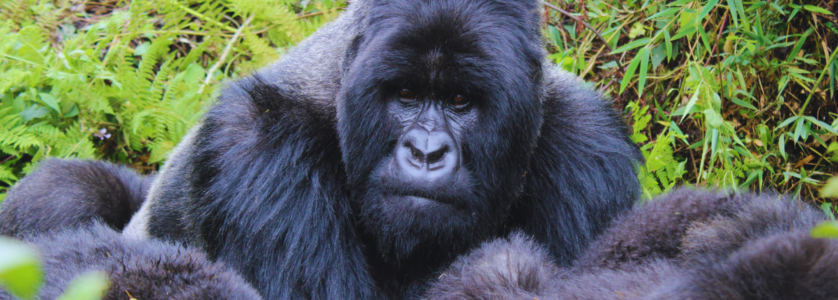
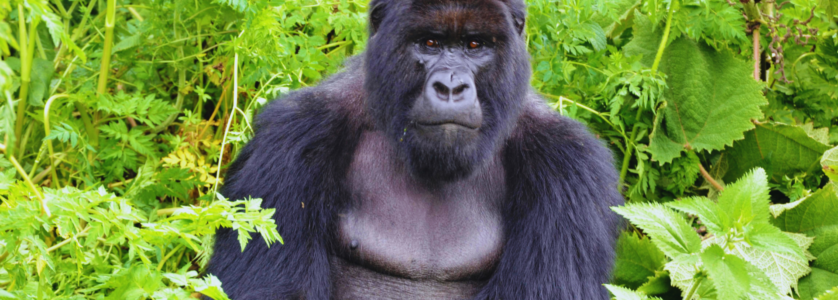
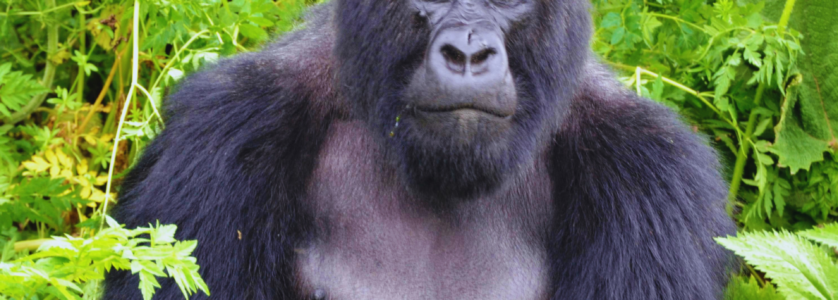
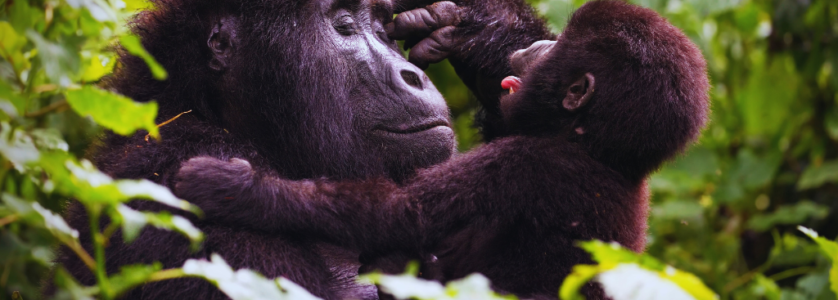
You’ve seen the breathtaking photos. You’ve reviewed the itineraries for gorilla trekking in Rwanda and neighboring Uganda. The permits are a significant investment, but a nagging thought likely remains: Am I physically fit enough for this mountain?
The reality of hacking through dense, wet vegetation at 9,000 feet while your heart pounds against your ribs is drastically different from a Sunday hike on a paved local trail. Show up underprepared, and the trek morphs into a grueling, exhausting survival march. You want to spend your one hour with the silverbacks marveling at their behavior, not gasping for air and nursing screaming quads.
Let’s strip away the brochure gloss. Based on years of guiding and actual trail data, here is the unfiltered truth about what your body will endure. We are looking hard at heart-rate spikes, specific elevation gains, and the distinct mud consistencies you will face when comparing Volcanoes National Park with Bwindi Impenetrable National Park.
The Altitude vs. The Tangled Web: Defining the Terrains
When clients book rwanda gorilla tours, they often assume all primate habitats in East Africa feel the same. They do not. The biome dictates the physical toll.
Volcanoes National Park (Rwanda): The High-Altitude Burn
Gorilla families in Rwanda typically reside on the slopes of dormant volcanoes. The terrain here is characterized by distinct vegetation zones, heavily featuring open bamboo forests.
- The Elevation Impact: You start high and go higher. Base elevations hover around 8,000 feet, with treks pushing up toward 10,000 feet.
- The Heart-Rate Reality: Biometric data from trekkers shows an immediate, sharp spike in heart rate during the first 30 minutes. You hit the incline almost instantly after leaving the potato fields. Expect your heart rate to easily jump into the 130–150 BPM range early on simply due to the thinner air.
- The Footing: The ground is volcanic soil. When wet, it turns into a slick, greasy surface. However, the bamboo zone is generally less entangled than a primary rainforest. You are dealing with steep vertical pushes rather than fighting horizontal brush.
Bwindi Impenetrable National Park (Uganda): The relentless Obstacle Course
Gorilla trekking in Uganda offers a completely different biome. Bwindi is an ancient, primary rainforest. It earned the name “Impenetrable” for a reason.
- The Elevation Impact: Generally lower than Rwanda. Altitudes range from 3,800 to roughly 8,500 feet. Altitude sickness is much less of a threat here.
- The Heart-Rate Reality: Heart rates in Bwindi fluctuate wildly. You face steep ravines, dropping down into valleys and clawing your way back up. It’s a relentless interval workout.
- The Mud Consistency: This is the game-changer. Bwindi features deep, clay-based mud. It acts like wet cement. Every step requires you to physically break the suction of the mud on your boots, increasing energy expenditure per step by an estimated 10-15%. You will climb over massive fallen mahogany trees and duck under thick vines.
Terrain & Fitness Matrix: Bwindi vs. Volcanoes
Use this data to match your current physical conditioning with the right destination.
| Terrain Variable | Volcanoes National Park (Rwanda) | Bwindi Impenetrable (Uganda) |
| Base Altitude | 8,000+ ft (High) | 3,800 – 8,500 ft (Moderate) |
| Dominant Vegetation | Bamboo forest, relatively open | Dense jungle, thick undergrowth |
| Gradient Profile | Sustained, steep upward climbs | Undulating; steep ravines, up and down |
| Mud Type | Slick, greasy volcanic soil | Deep, suction-heavy clay |
| Primary Physical Demand | Cardiovascular capacity (lungs) | Muscular endurance & agility (legs/core) |
| Pacing | Slow and steady due to altitude | Stop-and-start interval style |
How to Actually Train for a Gorilla Trek
Do not rely on walking a flat treadmill. The mountain does not care about your 10k PR on asphalt. You need functional, trail-specific fitness.
1. Build Leg Strength for the Mud
You need power to pull your foot out of a deep Bwindi mudhole while maintaining balance.
- Action: Incorporate deep lunges, step-ups on a 20-inch box, and Bulgarian split squats.
2. Mimic the Uneven Terrain
Your ankles and knees will take a beating as you navigate hidden roots and slick rocks.
- Action: Hike off-camber trails. If you live in a city, use a Stairmaster, but do it wearing the exact hiking boots you plan to bring to Africa.
3. Stress Your Cardiovascular System
To prepare for the altitude of Rwanda, you must improve your VO2 max.
- Action: High-Intensity Interval Training (HIIT). Sprint up a local hill for 60 seconds, walk down, and repeat 10 times. Force your lungs to work efficiently under heavy oxygen debt.
4. Wear the Pack
You will be carrying at least 3 liters of water, camera gear, and rain layers.
- Action: Train with a weighted daypack. Start with 10 pounds and work your way up to 15-20 pounds.
The Ultimate Equalizer: Hiring a Local Porter
Regardless of your fitness level, hire a local porter at the trailhead. This is not a slight against your physical prowess. Porters carry your backpack, offer a steady hand across slippery ravines, and literally pull you up steep, muddy embankments. More importantly, hiring a porter directly injects money into the local communities bordering the parks, reinforcing the economic value of gorilla conservation.
Ready to test your mettle on the mountain? Securing permits is the critical first step, as they sell out months in advance. Reach out to our specialized safari team today to match your fitness profile with the perfect gorilla family and destination.
Frequently Asked Questions (FAQs)
How hard is gorilla trekking really?
It ranges from moderate to extremely strenuous. The difficulty depends entirely on which gorilla family you are assigned to (some are a 45-minute walk, others are a 4-hour hike each way), the weather that morning, and your baseline fitness. Expect mud, steep inclines, and off-trail bushwhacking.
Can older adults track gorillas?
Yes. Trackers assess the age and fitness levels of the group during the morning briefing. Older or less mobile travelers are specifically assigned to gorilla families known to be ranging closer to the park boundaries to minimize the hiking distance.
What happens if I can’t finish the trek?
In the rare event of injury or severe exhaustion, emergency porters can utilize a “stretchers” (often a woven bamboo basket) to physically carry a tracker down the mountain. This comes at an additional, significant cost and is a last resort. Proper physical preparation is highly recommended to avoid this.
Is gorilla trekking in Rwanda easier than Uganda?
Not necessarily easier, just different. Rwanda is typically higher altitude with steeper initial climbs through bamboo. Uganda has thicker vegetation and more challenging, undulating micro-terrain with heavier mud. Choose Rwanda if you have good cardiovascular health but dislike tangled brush; choose Uganda if you have strong legs and don’t mind navigating complex, jungle obstacles.