Planning a family trip that satisfies a restless ten-year-old, a discerning parent, and a grandparent with limited mobility is a logistical puzzle. Most travel agencies offer “family packages” that are little more than standard tours with an extra bed. But a true legacy journey is different. It requires a specialized safari in Rwanda or Uganda that respects the physical boundaries of the elders while fueling the adventurous fire of the youth.
The stakes are high. You aren’t just booking a holiday; you are anchoring family history in the soil of the Albertine Rift. Here is how we bridge the generational gap to create a seamless, high-impact East African expedition.
The Multi-Gen Dilemma: Pacing and Participation
The biggest threat to a multi-generational trip isn’t a lack of wildlife; it’s “safari burnout.” While a 30-year-old might handle six hours in a bouncy 4×4, that same itinerary could leave a 75-year-old exhausted and an 8-year-old frustrated.
The “Hub-and-Spoke” Pacing Model for Seniors
We move away from the traditional “circuit” model where you change lodges every night. Instead, we utilize a Hub-and-Spoke strategy. By staying 3–4 nights in a single luxury lodge in Volcanoes National Park or Bwindi, the seniors can opt for “down days” in comfort while the more active group members head out for high-intensity tracking.
- Morning: High-impact activity (Gorilla trekking) for the adults/teens.
- Morning: Low-impact activity (Birding from the lodge deck or a local community walk) for seniors.
- Afternoon: Reconnection over a curated “Bush Lunch” or a gentle cultural performance.
Navigating Age Restrictions: The Gorilla Trekking Workaround
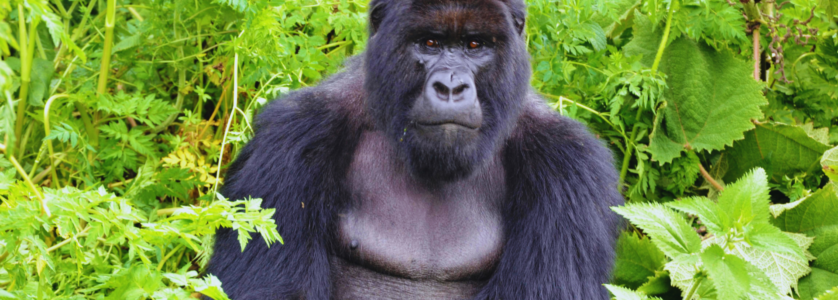
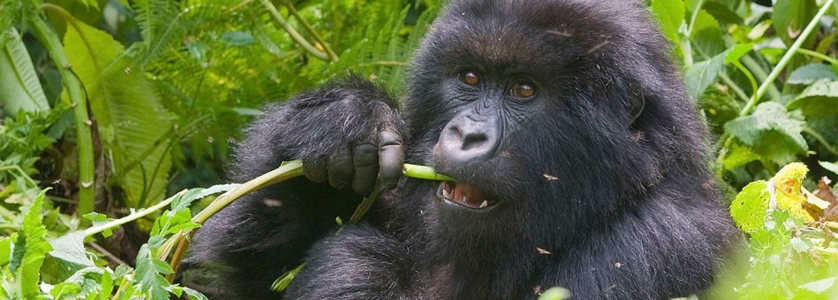
The primary draw for Rwanda safaris & tours is often the mountain gorilla. However, the strict minimum age of 15 often leaves families with younger children in a bind.
The Solution: Parallel Programming
While the adults are deep in the forest, we coordinate specialized “Junior Ranger” programs for children under 15. This isn’t just babysitting; it’s conservation education. While you track primates, your children are with professional guides learning to identify tracks, using camera traps, or visiting local schools for a football match.
For seniors who worry about the physical toll of the hike, we utilize “Helicopter” Porters and Sedan Chairs. In Rwanda, the “stretcher” service is a dignified and highly efficient way for those with mobility challenges to reach the gorilla families without ever having to take a step on uneven terrain.
Uganda Safaris & Tours: The Perfect Multi-Gen Complement
If your legacy journey spans more than a week, combining destinations is essential. While Rwanda offers unparalleled luxury and accessibility, Uganda safaris & tours provide a more rugged, varied landscape that appeals to the “explorer” in the family.
- Queen Elizabeth National Park: Offers boat cruises on the Kazinga Channel, perfect for seniors because it provides front-row seats to hippos and elephants with zero physical exertion.
- Kibale Forest: While the Chimpanzee trek has an age limit, the nearby Bigodi Wetland Sanctuary is accessible for all ages and offers incredible primate viewing on flat, well-maintained boardwalks.
Activity Comparison by Age Group
| Activity | Min. Age | Physical Intensity | Best For |
| Gorilla Trekking | 15* | High | Adventure Seekers |
| Golden Monkey Tracking | 12 | Moderate | Active Seniors & Teens |
| Kazinga Channel Cruise | None | Very Low | Everyone / Seniors |
| Canopy Walk (Nyungwe) | 6 | Moderate | Photography Enthusiasts |
| Coffee Masterclass | None | Low | Cultural Interest / Foodies |
*Exceptions can sometimes be negotiated with park authorities for children nearing the age limit, depending on physical fitness.
Child-Minding and Lodge Logistics
We partner with specific luxury lodges that understand the “Legacy” mandate. This means choosing properties that offer:
- Interconnecting Suites: Ensuring privacy for parents while keeping children close.
- Private Chefs: Essential for catering to “picky eaters” or specific dietary requirements of elderly travelers.
- In-Lodge Child-Minding: Professional, vetted staff who remain with the children at the lodge during age-restricted treks, allowing the adults to immerse themselves in the forest without worry.
Specialized Logistics: The Private Fleet
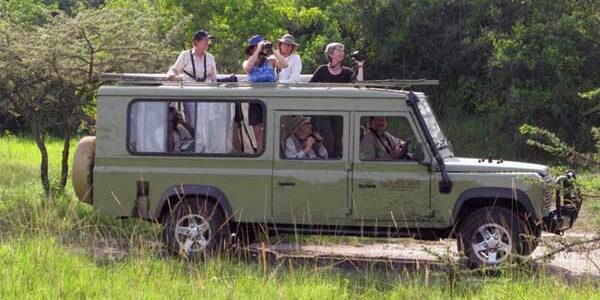
For multi-generational groups, we skip the standard safari shuttle. We deploy extended 4×4 Land Cruisers with “pop-top” roofs and, crucially, on-board Wi-Fi and refrigeration. This allows the younger generation to share their photos in real-time, while seniors have access to cold drinks and comfortable, cushioned seating for long drives through the rolling hills of Rwanda.
The “Information Gain” Factor: Conservation as a Legacy
A legacy safari isn’t just about what you see; it’s about what you leave behind. We integrate Corporate Social Responsibility (CSR) into the itinerary. This might involve:
- Orphanage Support: A structured visit to deliver pre-coordinated supplies.
- Reforestation: Planting indigenous trees in the buffer zones of the national parks.
- The Dian Fossey Fund: A private tour of the Ellen DeGeneres Campus to understand the science behind the conservation success.
Frequently Asked Questions
What is the best time for a family safari in Rwanda?
The dry seasons (June to September and December to February) are best. Trails are less slippery, making it significantly easier for both children and seniors to navigate the terrain.
Can my 70-year-old parents really do a gorilla trek?
Absolutely. By hiring a “stretcher” team (sedan chair), they can be carried to the gorillas by a team of professional porters. It is a common and highly respected way to ensure everyone experiences the magic of the primates.
Is Rwanda safe for young children?
Rwanda is one of the safest countries in the world. From a health perspective, we recommend luxury lodges with high hygiene standards and private 4×4 transport to minimize exposure to dust and long public travel times.
How do we handle the “15-year-old” age limit for gorillas?
We arrange a “Junior Explorer” day. While you are trekking, the children participate in guided nature walks outside the park boundaries, visit a local cultural village, or engage in craft-making with local artisans.