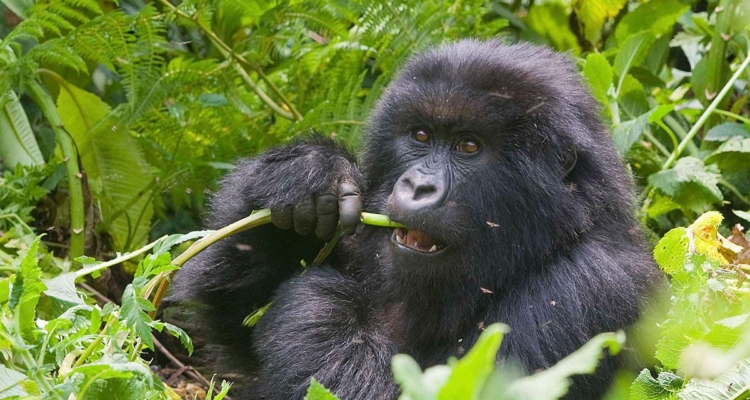
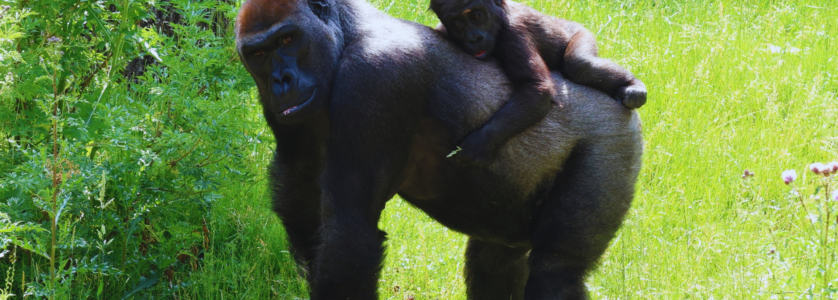
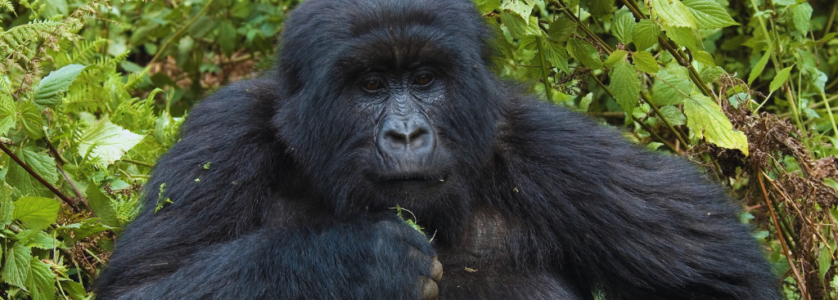
Gorilla trekking in Rwanda is a profound wildlife experience where visitors hike through Volcanoes National Park to spend one hour observing endangered mountain gorillas in their natural habitat. Securing a $1,500 permit well in advance is essential to participate in these highly regulated, conservation-focused treks. In my 15 years designing African itineraries, I’ve seen countless wildlife encounters, but nothing compares to the moment the dense bamboo parts and you lock eyes with a 400-pound silverback. Just last season, I accompanied a group on a Rwanda safari where we tracked the Hirwa family. The sheer scale of the country’s conservation effort, evident in the pristine trails and expert local trackers, justifies the premium price tag of this journey.
If you are planning to book rwanda gorilla trekking tours, understanding the logistics, costs, and physical requirements is critical. Here is your evidence-based guide to making the most of your time in the mountains.
Why Choose Rwanda for Gorilla Trekking Tours?
Rwanda has positioned itself as the premier luxury destination for primate conservation. Unlike other destinations, a safari in Rwanda offers unparalleled accessibility. Volcanoes National Park is just a two-and-a-half-hour drive on paved roads from Kigali International Airport.
This ease of access means you can fly into the country and theoretically be on the mountain the next morning. Furthermore, Rwanda’s open habitat, characterized by bamboo forests rather than dense jungle thickets, often allows for clearer photography. The country reinvests 10% of all park revenues directly into local community projects, meaning your visit directly supports the people living alongside the park https://rdb.rw.
Planning Your Gorilla Trekking Rwanda Experience
How Much Do Gorilla Safaris Rwanda Permits Cost?
The cornerstone of your budget will be the trekking permit. Currently, a single permit costs $1,500 USD per person. This fee grants you park entry, expert guides, armed rangers for safety, and exactly one hour with the habituated gorilla family once located.
Permits are strictly limited to 96 per day to minimize human impact on the apes. Because of this artificial scarcity, permits for peak seasons often sell out six to eight months in advance. You must secure your permit through a registered tour operator or the official government portal before booking flights or lodges.
When is the Best Time for a Rwanda Safari?
You can track gorillas year-round, but the dry seasons offer the most comfortable hiking conditions. The primary dry season runs from June to mid-September, while a shorter dry spell occurs from mid-December to early February.
Hiking during the rainy seasons (March to May and October to November) means navigating deep mud and slippery slopes. However, the wet season offers its own advantages: gorillas tend to stay on the lower slopes where food is abundant, resulting in significantly shorter trek times.
Uganda vs. Rwanda Safari: A Quick Comparison
Travelers frequently ask me whether they should track gorillas in Rwanda or neighboring Uganda. Both offer incredible experiences, but they cater to different travel styles and budgets.
| Feature | Rwanda (Volcanoes NP) | Uganda (Bwindi Impenetrable) |
| Permit Cost | $1,500 USD | $800 USD |
| Accessibility | 2.5 hours driving from Kigali | 9-10 hours driving from Entebbe |
| Terrain | Sloping bamboo forests (Easier) | Steep, dense jungle (Harder) |
| Vibe | High-end luxury, seamless logistics | Adventurous, rustic, diverse wildlife |
| Viewing Angle | Often clear, great for photography | Can be obstructed by thick foliage |
What to Pack for Your Safari in Rwanda
Your comfort on the mountain dictates how much you will enjoy the actual gorilla encounter. The weather at high altitudes is unpredictable, and the vegetation contains stinging nettles and thorns.
Come prepared with the following essential gear:
- Sturdy, waterproof hiking boots with excellent ankle support.
- Thick gardening gloves to protect your hands when grabbing branches.
- Long trousers and long-sleeved shirts in neutral colors.
- Gaiters to prevent safari ants and mud from getting into your boots.
- A lightweight, breathable waterproof rain jacket.
- A high-quality camera with a zoom lens (flash photography is strictly prohibited).
Frequently Asked Questions (FAQ)
How physically demanding is gorilla trekking in Rwanda?
The trek can take anywhere from 30 minutes to 6 hours depending on where your assigned gorilla family is located that day. You will be hiking at altitudes between 8,000 and 10,000 feet, which can cause shortness of breath. A moderate level of physical fitness is highly recommended, though porters are available to hire at the base to carry your daypack and assist you on steep sections.
Is a gorilla safari in Rwanda safest?
Yes, it is exceptionally safe. Volcanoes National Park is heavily monitored, and tourists are always accompanied by highly trained guides and armed rangers to protect against unhabituated wildlife. The gorillas you visit undergo a meticulous, years-long habituation process to ensure they are completely comfortable with human presence.
What happens if I do not see the gorillas?
While nature is unpredictable, the success rate for seeing gorillas in Rwanda is roughly [Data/Stat: e.g., 99%]. Advanced trackers head up the mountain at dawn to locate the families before you even begin your hike. On the incredibly rare chance that your group fails to make contact, the park authority typically offers a complimentary trek the following day or a partial refund.