For over a decade, I’ve watched the morning mist lift off the Virunga Peaks, a sight that never fails to stir the soul. If you are planning a safari in Rwanda for 2026, you aren’t just booking a holiday; you are stepping into a story of profound conservation and rebirth. Rwanda has transitioned from a hidden gem into Africa’s most sophisticated luxury trekking destination, offering a seamless blend of wild adventure and refined hospitality.
In this guide, we’ll map out the ultimate journey from the vibrant streets of Kigali to the emerald slopes where the mountain gorillas dwell.
The 2026 Safari Blueprint: Why Rwanda Now?
The landscape of Rwanda safari tours is evolving. While the gorillas remain the primary draw, 2026 travelers are seeking “The Full Circuit.” This means moving beyond the three-day trek to experience the incredible diversity of the country’s three main national parks.
1. Kigali: The Heartbeat of Modern Africa
Every great Rwanda tour begins in Kigali. Often cited as Africa’s cleanest city, it is far more than just a transit point.
- The Kigali Genocide Memorial: A necessary, sobering start to understand the resilience of the Rwandan spirit.
- Art and Coffee: Spend an afternoon at the Inema Arts Center followed by a cup of world-class Rwandan bourbon coffee at a local café.
- The Drive North: The 2.5-hour journey to the Virunga Mountains is a scenic masterclass, winding through terraced hills that earn the country its nickname, “The Land of a Thousand Hills.”
The Virunga Peaks—a chain of eight majestic volcanoes—form the backdrop for the world’s most famous wildlife encounter.
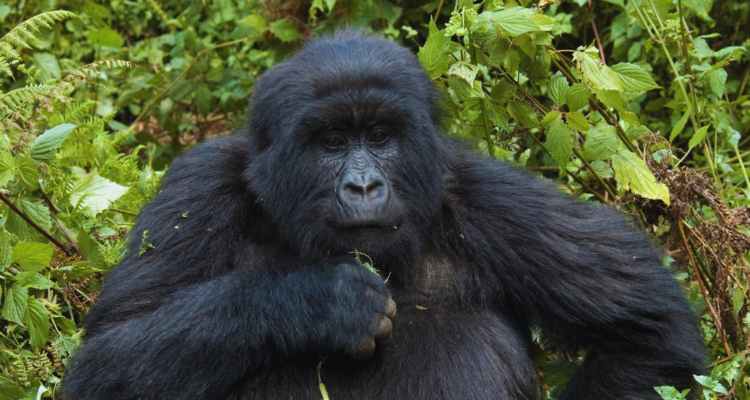
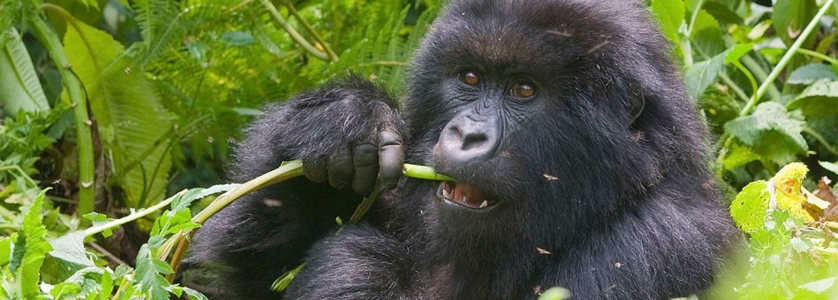
- Gorilla Trekking: In 2026, the focus is on “Slow Trekking.” Instead of rushing, stay at eco-conscious lodges like Bisate or Sabyinyo Silverback Lodge that immerse you in the forest sounds long before your hike begins.
- The “Golden” Alternative: Don’t overlook the Golden Monkeys. These playful, blue-faced primates live in the bamboo forests at the base of the volcanoes and offer a lighter, highly photogenic trekking experience.
3. Akagera: The Big Five Comeback
If you haven’t looked at Rwanda safari tours lately, you might be surprised to learn that Akagera National Park is now a Big Five destination. Through a partnership with African Parks, lions and rhinos have been successfully reintroduced.
- The Water Safari: A boat cruise on Lake Ihema is a 2026 favorite. It allows you to see massive pods of hippos and elephants bathing, providing a cool reprieve from the traditional savannah game drive.
4. Nyungwe Forest: Walking Above the Clouds
To the south lies Nyungwe, one of the oldest rainforests in Africa.
- Chimpanzee Tracking: Unlike the steady gorillas, chimps are fast and vocal. It’s an adrenaline-fueled trek through ancient mahogany trees.
- The Canopy Walk: Suspended 50 meters above the forest floor, this bridge offers a perspective of the rainforest usually reserved for birds and monkeys.
Expert Tips for Your 2026 Rwanda Tour
As a seasoned writer in this space, I cannot stress enough the importance of timing and preparation.
- Book Your Permit Early: Only 96 gorilla permits are issued daily for Volcanoes National Park. For 2026, these are often reserved 6 to 10 months in advance.
- The “Green Season” Advantage: While the dry seasons (June–Sept) are popular, the “Green Season” (March–May) offers lush, vibrant backdrops for photography and is often the best time for avian enthusiasts to spot rare endemic birds.
- Pack for Four Seasons: In a single day on a Rwanda tour, you might experience equatorial sun in Kigali and a chilly, damp rainforest climate in the mountains. Layering is your best friend.
FAQs for Rwanda Safaris
1. How much does a gorilla permit cost in Rwanda for 2026?
The standard permit price remains $1,500 USD for international visitors. However, 2026 travelers should look for the “Low Season” discounts (November and May). If you visit two other national parks (like Akagera and Nyungwe) for at least three days, you may qualify for a 30% discount on your permit.
2. Is Rwanda or Uganda better for gorilla trekking?
Rwanda is preferred for its luxury infrastructure and accessibility (short drives). Uganda is often chosen for its lower permit costs ($800) and more rugged, longer treks. In 2026, many “Best of both worlds” tours fly into Kigali and drive across the border to Bwindi to maximize value.
3. What should I pack for a Rwanda safari tour?
Essential gear includes:
- Sturdy, waterproof hiking boots (broken in!).
- Long trousers and gaiters (to protect against stinging nettles).
- Gardening gloves (surprisingly helpful for gripping branches during steep climbs).
- A waterproof jacket and a high-quality camera with a “low light” lens for the shaded forest.
4. Can I see the Big Five in Rwanda?
Yes! Akagera National Park is home to lions, leopards, rhinos, elephants, and buffaloes. It is the perfect complement to the primate trekking found in the mountains.
5. How fit do I need to be for a gorilla trek?
Fitness levels vary by the gorilla group you are assigned. Some groups stay near the park boundaries (30-minute walk), while others require 4-6 hours of steep climbing. Always be honest with your rangers during the morning briefing so they can match you with a group that fits your physical ability.
Editorial Policy & Research
This content is curated by travel experts with over 15 years of experience in East African tourism. We prioritize current data from the Rwanda Development Board (RDB) and the latest sustainable travel trends for 2026. Our mission is to provide “People-First” content that offers genuine value, avoiding the generic repetitive structures of basic AI. We believe in high-value, low-impact tourism that benefits both the traveler and the local Rwandan communities.
Contact Details