About Volcanoes National Park in Rwanda

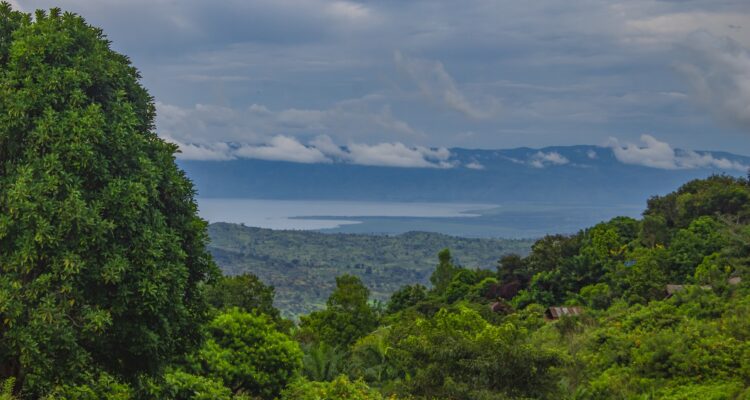
Located in northwestern Rwanda, Volcanoes National Park spans the Virunga Massif, bordering Uganda and the Democratic Republic of Congo.
Established as Africa’s first national park in 1925, it covers dramatic volcanic landscapes including Mount Karisimbi, Mount Bisoke, Mount Muhabura, Mount Gahinga, and Mount Sabyinyo.
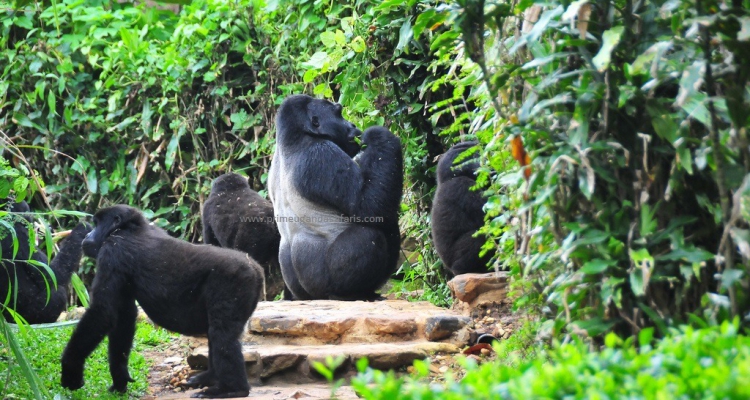
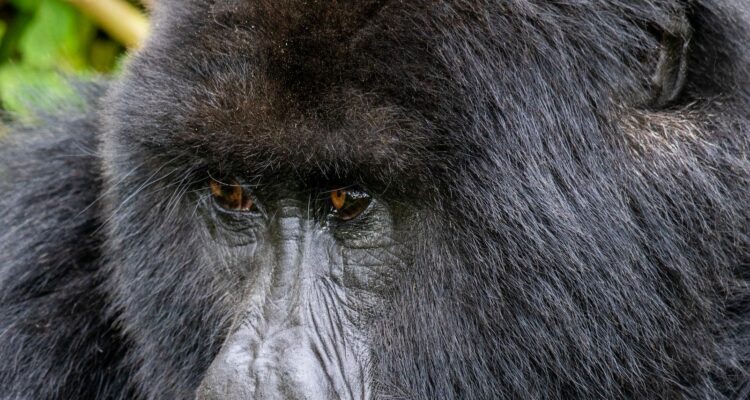
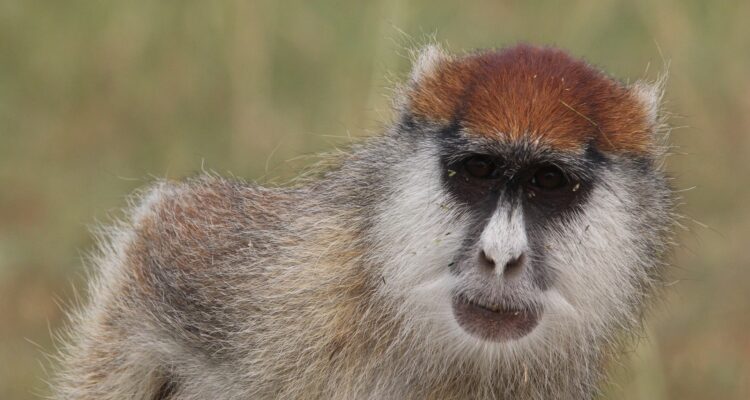
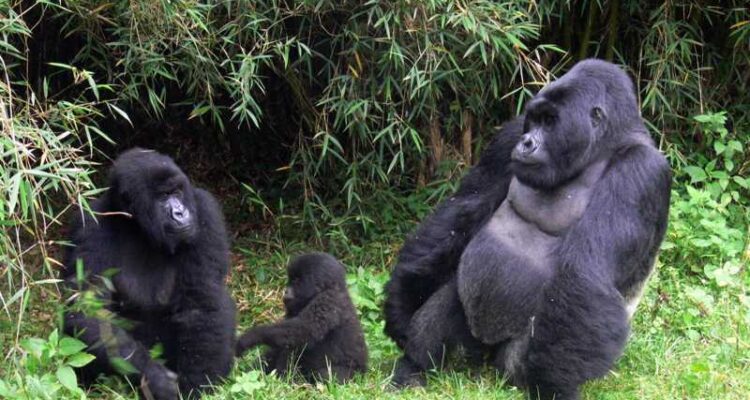
Famous for endangered mountain gorillas and golden monkeys, the park also excels in bird watching, with over 200 bird species recorded.
Diverse ecosystems range from bamboo forests at mid-altitudes to montane forests and higher-elevation afro-alpine areas with bush land vegetation. This variety supports endemic bird species, migratory birds, and eastern Congo forest birds.
Volcanoes National Park, Rwanda is part of the Albertine Rift, a biodiversity hotspot hosting unique bird species, including 17 Albertine Rift endemics.
Visitors on a Rwanda safari often combine gorilla trekking with birding trails, exploring forested areas rich in wildlife like forest elephants and duikers.
The park’s conservation efforts protect these habitats, ensuring a thriving home for birds and animals alike.
Examples of Bird Species in Volcanoes National Park
Volcanoes National Park Rwanda boasts an impressive array of bird species, making it a top spot for bird watching in East Africa. With over 200 bird species, including endemic and migratory varieties, the park’s diverse habitats—from bamboo forests to montane forests—support a wide range of avifauna.
Albertine Rift Endemics
The Albertine Rift endemics are a major highlight, with Volcanoes National Park home to 17 of these rare species.
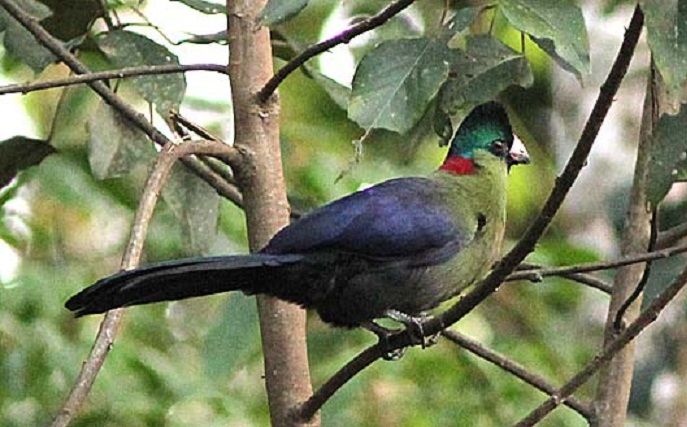
Key examples include the Rwenzori turaco (often seen in pairs with its vibrant plumage), Archer’s robin chat (a ground-dwelling beauty), strange weaver (known for intricate nests), dusky crimson wing (a striking finch), collared apalis (flitting in undergrowth), red-faced woodland warbler (in higher elevations), Rwenzori batis (compact and active), Grauer’s rush warbler (in swampy areas), handsome francolin (ground forager), Lagden’s bush shrike (elusive predator), African green broadbill (vocal in forests), Kivu ground thrush (shy forest dweller), Rwenzori double-collared sunbird (nectar feeder), scarlet-tufted malachite sunbird (iridescent gem), Doherty’s bush shrike (rare sighting), Grauer’s swamp warbler (wetland specialist), and Rwenzori nightjar (nocturnal).
Migratory Birds
Migratory bird species visit Volcanoes National Park during the wet season, boosting numbers from November to April. Common sightings include the willow warbler (from Europe), along with other Palearctic migrants that mix with residents in forested areas and open spaces.
Raptors
Birds of prey add excitement to Rwanda birding safaris. Notable raptors include the African goshawk (swift hunter), bat hawk (twilight specialist), palm nut vulture (palm feeder), and African long-eared owl (night predator).
Colorful Birds
Colorful bird species dazzle visitors, such as the Rwenzori turaco (green and red), scarlet-tufted malachite sunbird (shimmering emerald), Rwenzori double-collared sunbird (vibrant collar), red-chested sunbird (bright chest), and malachite sunbird (sun-catching feathers).
Other Bird Species in Volcanoes National Park
Beyond the highlights, Volcanoes National Park hosts turacos like the great blue turaco, woodpeckers, babblers including hill babbler and robin chat like Archer’s robin chat, owls, warblers such as rush warbler and Grauer’s swamp warbler, sunbirds like double-collared sunbird and scarlet-tufted sunbird, flycatchers including African paradise flycatcher, and more.
Plus the Lagden’s bush shrike, African green broadbill, eastern Congo forest birds, Kivu ground thrush, palm nut vulture, dusky crimson wing, strange weaver, archer’s ground robin, crested barbet, grauer’s rush warbler, ruwenzori double-collared sunbird, robin chat, red-chested sunbird, scarlet-tufted malachite sunbird, grey-backed fiscal, scarlet tufted, bush shrike, collared apalis, handsome francolin, white-collared oliveback, dusky turtle dove, archer’s robin chat, chested sunbird, scarlet-tufted sunbird, crimson wing, malachite sunbird, black-crowned waxbill, red chested, olive-bellied, palm nut, lesser honey guide, Rwenzori batis, white-winged, baglafecht weaver, white-collared.
These different bird species thrive in the park’s varied vegetation, from bamboo to montane forests.
The Birding Experience in Rwanda’s Volcanoes National Park – How to Find Birds?
Bird watching in Rwanda’s Volcanoes National Park offers an immersive adventure into one of Africa’s richest avian regions.
Guided by experienced locals, birders explore trails where most birds are active early morning or late afternoon.
Listen for calls to locate species like the Rwenzori turaco or Lagden’s bush shrike in dense cover.
Higher elevations reveal Albertine Rift endemics, while swampy areas host Grauer’s rush warbler.
Patience is key—many unique bird species hide in foliage, requiring quiet observation.
Combine with golden monkey tracking for added excitement, spotting birds amid bamboo.
The misty atmosphere enhances sightings of colorful bird species feeding on nectar or insects.
Year-round access means resident birds are always present, with migratory species joining in wet months.
This Rwanda birding safari rewards keen eyes, turning every walk into a discovery of Rwanda’s diverse ecosystems and stunning landscapes.
The Birding Hotspots and Trails in Volcanoes National Park – Where to Find the Bird Species?
Volcanoes National Park features prime birding hotspots across its varied terrain.
Bamboo forests near the base host Rwenzori turaco and strange weaver, ideal for spotting endemic species in sheltered zones.
Montane forests on lower slopes teem with African green broadbill and collared apalis, where dense vegetation hides warblers and sunbirds.
Higher elevations around Mount Bisoke and Mount Karisimbi offer afro-alpine habitats for scarlet-tufted malachite sunbird and Grauer’s swamp warbler in swampy areas.
Open spaces and bush land vegetation attract raptors like the palm-nut vulture.
Trails wind through these zones, revealing migratory birds in wetlands during the rainy season.
The Virunga Mountains’ slopes provide panoramic views while searching for dusky crimson wing or archer’s robin chat.
These locations in Volcanoes National Park, Rwanda, ensure encounters with over 200 bird species, from globally threatened to colorful varieties.
The Birding Trails in Volcanoes National Park
Dedicated birding trails in Volcanoes National Park lead through prime habitats for observing bird species.
The bamboo zone trail offers close views of Rwenzori batis and handsome francolin amid thick growth.
Montane forest paths reveal Lagden’s bush shrike and Kivu ground thrush in the shaded understory.
Trails to crater lakes on Mount Bisoke pass through swampy areas perfect for Grauer’s rush warbler.
Higher trails near Mount Muhabura and Mount Gahinga access afro-alpine zones with scarlet-tufted sunbird.
Shorter loops near headquarters suit beginners, spotting dusky turtle dove or baglafecht weaver in open spaces.
Guided walks ensure safety while maximizing sightings of Albertine Rift endemics. These trails highlight the park’s diverse ecosystems, from forested areas to grasslands, making every step a chance to identify new species on your Rwanda safari.
The Birding Time Frames in Volcanoes National Park
Bird watching in Volcanoes National Park is rewarding year-round, but timing influences sightings. These timings include.
- Early mornings yield active birds feeding and calling, ideal for spotting Rwenzori turaco or sunbirds.
- Late afternoons bring raptors like bat hawk into view.
- Dry season (June to September, December to February) offers clearer trails and resident birds
- Wet season (March to May, October to November) attracts migratory birds from Europe, with breeding season boosting vocalizations and displays—most birds at their colorful best. November to April sees peak migrant arrivals, enriching checklists.
- Year-round residents like handsome francolin remain visible.
Plan around the weather for easier access in dry months or vibrant activity in wet. This flexibility makes Volcanoes National Park a top birding destination in Rwanda.
Guidelines to Follow When Searching for the Birds in Volcanoes National Park, Rwanda
- Stay on designated trails to protect habitats and avoid disturbing birds.
- Keep noise low to prevent scaring away species.
- Do not feed or approach birds or wildlife.
- Carry out all trash; no littering.
- Follow the guide instructions for safety.
- No flash photography to avoid stressing animals.
- Groups limited to small numbers for minimal impact.
- Obtain necessary permits in advance.
- Respect local communities and restricted areas.
- Move slowly and patiently for better sightings.
The Best Birding Tips to Consider When on a Search for the Bird Types in Volcanoes National Park
- Hire an experienced guide to locate and identify rare species.
- Use birding binoculars for distant views of sunbirds or raptors.
- Learn bird calls to pinpoint hidden warblers or thrushes.
- Visit early morning when most birds are active.
- Focus on edges of habitats for variety.
- Carry a field guide for quick reference.
- Dress in neutral colors to blend in.
- Be patient—elusive endemics require time.
- Combine with other activities like gorilla trekking or Virunga volcano hiking for broader exploration.
- Record sightings to contribute to conservation.
Volcanoes National Park Accommodation – Where to Stay When Searching for Birds in Volcanoes National Park, Rwanda
Luxury
- Bisate Lodge: Eco-luxury with views of Virunga Mountains.
- Sabyinyo Silverback Lodge: Elegant villas near birding trails.
- One & Only Gorilla’s Nest: Premium amenities in a forested setting.
- Virunga Lodge (Rwanda): Stunning panoramas and high-end service.
- Singita Kwitonda Lodge: Exclusive with private plunge pools.
Midrange
- Mountain Gorilla View Lodge: Comfortable rooms close to headquarters.
- Le Bambou Gorilla Lodge: Cozy and affordable.
- Da Vinci Gorilla Lodge: Modern facilities.
- Five Volcanoes Boutique Hotel: Boutique charm.
- Tiloreza Volcanoes Ecolodge: Sustainable mid-level option.
Budget
- Kinigi Guest House: Basic and convenient.
- Hotel Muhabura: Simple accommodations in Musanze.
- La Palme Hotel: Affordable with essentials.
- Muhabura Hotel: Value stays nearby.
- Garden Place Hotel: Budget-friendly rooms.
Best Time to Visit Rwanda Volcanoes National Park and See the Bird Species
The best time to visit Volcanoes National Park, Rwanda, for bird species is the dry season from June to September and December to February. Trails are drier and more accessible, with clearer views of resident birds like Rwenzori double-collared sunbird and the handsome francolin. Less rain means easier hiking in montane forests and bamboo zones.
However, the rainy season (March to May, October to November) excels for migratory birds arriving from Europe, plus breeding activity makes species more vocal and colorful. Plenty of food attracts globally threatened species.
Year-round birding is possible, but dry months suit comfortable exploration while wet periods boost diversity. Plan for June-August peak dry or November-April migrants on your Rwanda safari.
Average Costs Incurred on Rwanda Birding Tours in Volcanoes National Park
Birding tours in Volcanoes National Park involve various costs for a fulfilling Rwanda tour.
- Park entry fees range $50-100 per person daily, depending on nationality.
- Guided birding adds $30-50 per group.
- Accommodation varies: luxury $300-1500/night, midrange $150-300, budget $50-150.
- Transport from Kigali (2-3 hours) costs $100-200 private transfer.
- Meals and snacks $20-50 daily.
- Binocular rental if needed $10-20.
- Full-day tours with the operator $200-500/person, including guide and transport.
- Permits for combined activities like golden monkey tracking extra $100.
- Budget trips start $500-1000 for 3 days; luxury $2000+.
NB
- Factor in tips and gear.
- Affordable options exist for bird lovers focusing purely on avifauna.
How to Get to Volcanoes National Park to See the Bird Species?
Reaching Volcanoes National Park, Rwanda, in search of bird species is straightforward. Most visitors fly into Kigali International Airport, then drive 2-3 hours northwest via well-maintained roads to Kinigi headquarters. Private 4WD transfers cost $100-200, offering scenic views.
IMPORTANT NOTES
- Public buses to Musanze are cheaper but less convenient with gear.
- Chartered flights to Musanze airstrip shorten travel, followed by a short drive.
- From Uganda, cross at the Cyanika border.
- Self-drive rentals are available in Kigali.
- Tours often include pickup.
- The road travel route passes rural landscapes, building excitement for birding trails.
- Arrive early for morning starts spotting endemic species in this accessible East Africa gem.
Booking and Planning for a Birding Tour in Volcanoes National Park to See the Avifauna
- Research reputable Rwanda safari operators specializing in birding, such as Prime Safaris And Tours Ltd, Wild Gorilla Safaris, Gorilla Safari Rwanda, Rwanda Gorilla Tracking Safaris, Gorilla Tracking Rwanda, Africa Safaris Tours, Gorilla Safaris And Tours.
- Choose the dry season for ease or the wet season for migrants.
- Book guided tours for expert spotting of endemics.
- Secure park permits in advance via
- Select accommodation near headquarters for convenience.
- Plan combined activities like gorilla trekking.
- Pack essentials: binoculars, field guide, rain gear.
- Budget for fees, transport, and lodging.
- Confirm group size for personalized experience.
- Contact operators for customized itineraries.
Threats Faced by the Avifauna in Volcanoes National Park
Avifauna in Volcanoes National Park faces several threats despite strong protection.
- Habitat loss from past encroachment affects montane forests and bamboo zones critical for endemic species.
- Climate change alters rainfall patterns, impacting breeding season and food availability for migratory birds.
- Human-wildlife conflict near boundaries pressures local specialties.
- Illegal activities historically threatened ecosystems, though reduced.
- Population growth around the park increases pressure on resources.
- Globally threatened species like Lagden’s bush shrike remain vulnerable.
- Pollution and invasive species pose emerging risks.
These challenges highlight the need for ongoing vigilance to safeguard over 200 bird species in this Albertine Rift haven.
Ongoing Conservation Initiatives in Volcanoes National Park Aimed at Protecting the Bird Species
Conservation in Volcanoes National Park, Rwanda, focuses on protecting bird species through multiple initiatives.
- Community programs engage local communities in monitoring and habitat restoration. Anti-poaching patrols safeguard forested areas.
- Reforestation expands bamboo and montane forests for endemics.
- Revenue from tourism funds the protection of diverse ecosystems.
- Research tracks populations of globally threatened species and Albertine Rift endemics.
- Partnerships with organizations support education and sustainable livelihoods.
- Habitat corridors connect fragmented areas.
These efforts ensure thriving birdlife, from Rwenzori turaco to Grauer’s swamp warbler, preserving Rwanda’s avian heritage for future generations.
Other Things to See in Volcanoes National Park Besides the Bird Species
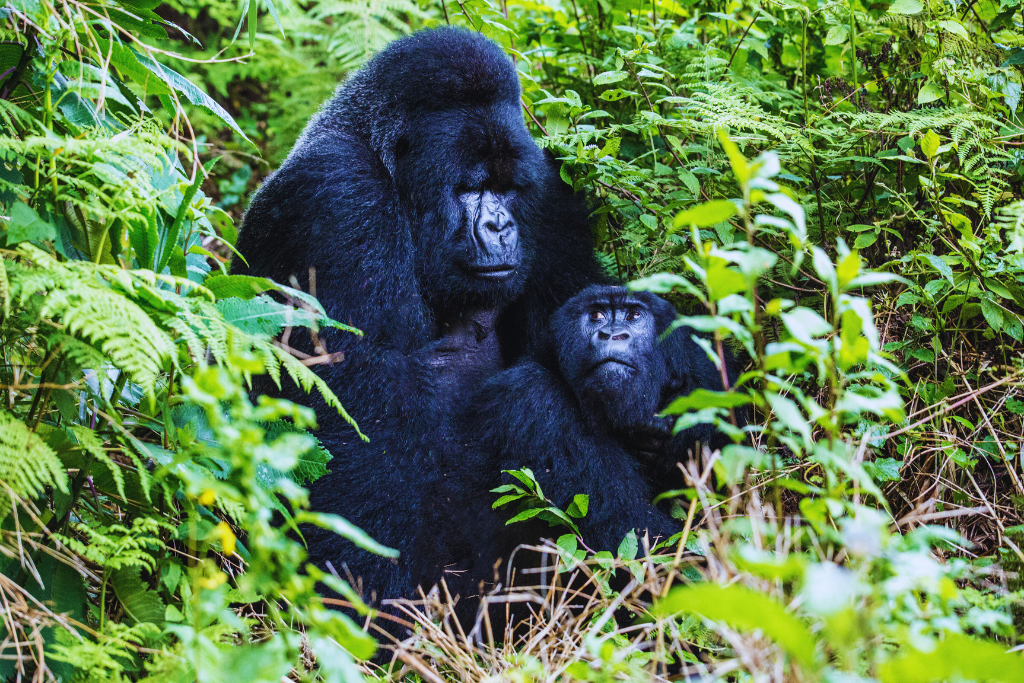
- Mountain gorillas top the list, with habituated families offering intimate trekking experiences in bamboo forests.
- Golden monkeys delight with playful antics in bamboo zones, a rarer primate sighting.
- Forest elephants occasionally appear in remote areas, adding majesty to hikes.
- Virunga Mountains provide stunning landscapes, with volcanoes like Karisimbi for panoramic views.
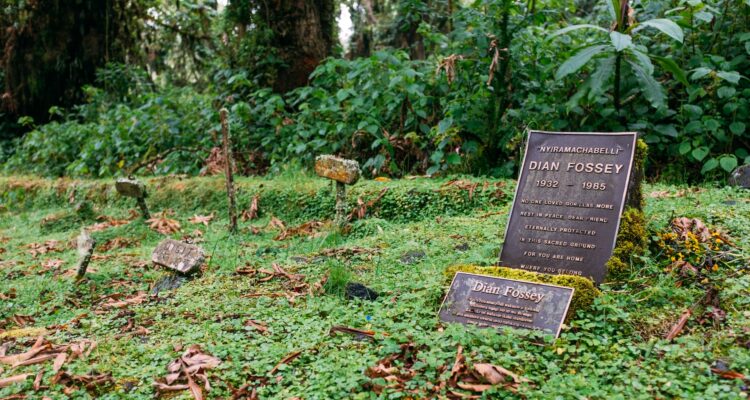
- Dian Fossey’s tomb offers historical insight into gorilla conservation amid scenic trails.
- Twin lakes Ruhondo and Burera nearby reflect volcanic beauty.
Other Activities Done in Volcanoes National Park Besides Bird Watching
- Gorilla trekking allows one hour with mountain gorilla families, a profound wildlife encounter.
- Golden monkey tracking follows lively troops in bamboo, easier and vibrant.
- Hiking Mount Bisoke reaches a crater lake with rewarding views.
- Mount Karisimbi climb is a challenging two-day adventure.
- Dian Fossey tomb hike combines history and nature.
- Cultural visits to Iby’Iwacu village showcase local traditions.
- Guided nature walks explore vegetation and smaller wildlife.
What to Wear for a Safari to Rwanda’s Volcanoes National Park to See the Bird Species?
- Long-sleeved shirt for protection from vegetation and insects.
- Long trousers or pants to shield legs.
- Hiking boots for muddy trails.
- Rain jacket for unpredictable weather.
- Hat for sun and mist.
- Long socks to tuck pants into.
- Neutral-colored clothing to blend in.
- Sweater for cooler altitudes.
- Gloves if needed for grip.
What to Pack for a Safari in Rwanda’s Volcanoes National Park to See the Bird Types?
- Birding binoculars for spotting distant birds.
- Field guide book for identification.
- Camera with extra batteries.
- Insect repellent.
- Drinking water and energy snacks.
- Backpack for essentials.
- Rain jacket and sweater.
- Sunscreen and sunglasses.
- Walking stick for support.
- First aid kit.
Other Rwanda National Parks with Huge Checklists of the Birds of Paradise
- Nyungwe Forest National Park hosts over 310 species, including many Albertine endemics like red-collared babbler, ideal for forest birding and canopy walks.
- Akagera National Park features 500+ species in savannas and wetlands, with waterbirds and raptors alongside big game.
- Gishwati-Mukura National Park, an emerging destination with forest species and chimpanzees.
- Bugesera lakes and wetlands offer papyrus specialists near Kigali for Urban birding.
Compare Volcanoes National Park and Other Birding Destinations in East Africa
Volcanoes National Park excels in Albertine Rift endemics and high-altitude species, compact with gorilla synergy, unlike the vast savannas of Kenya’s Masai Mara focused on migrants.
Compared to Uganda’s Bwindi, Volcanoes NP offers similar endemics, but it also offers over five Virunga volcanic landscapes.
Tanzania’s Serengeti has massive migrations but lacks montane forest rarities like Volcanoes National Park.
National Park Mgahinga in Uganda shares the Virunga birds but smaller scale.
Commonly Asked Questions About the Birds in Volcanoes National Park, Rwanda
- What Is the Best Time for A Bird Watching Safari?
The best time for a birdwatching safari in Rwanda is during the dry season, which runs from June to September, and December to February, with accessible trails and residents, and the rainy season for migrants and breeding displays.
- What Types of Birds Are Found in Volcanoes National Park?
Over 200 species, including 17 Albertine Rift endemics like Rwenzori turaco, sunbirds, warblers, and migratory visitors, are found in this park.
- What Are the Birding Hotspots in Volcanoes National Park?
Bamboo forests, montane slopes, Mount Bisoke crater, and higher Virunga trails are some of the birding hotspots in Volcanoes National Park.
Conclusion
Volcanoes National Park, Rwanda, captivates with its diverse bird species, endemic treasures, and breathtaking habitats. A birding safari here promises encounters with rarities amid conservation success. Plan your visit to this avian haven today for an enriching Rwanda experience.